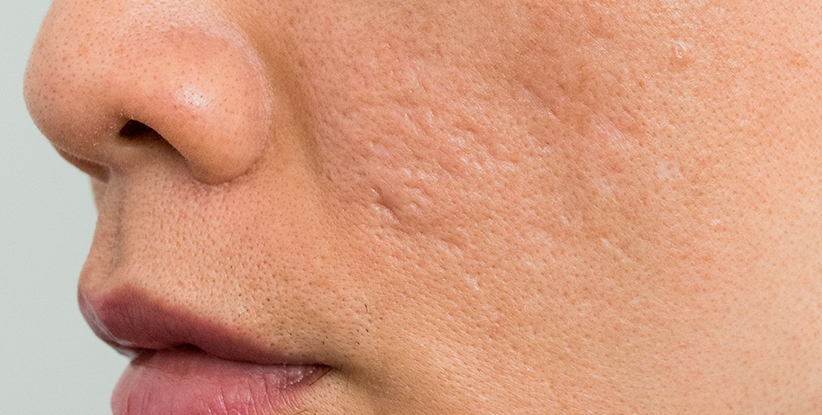
When acne is especially inflammatory, settles in certain areas or the lesions are manipulated by the patient, it is possible that marks and scars may form that remain temporarily or permanently on the skin. Epidemiological studies show a prevalence of acne scars of up to 14% in women and 11% in men who have suffered from the disease in the past.
What are acne scars?
The middle layer of the skin, called the dermis, is made up of supporting fibres, elemental substance and skin adnexa, and together is the support element on which its texture, volume and elasticity depend. The fibres with the greatest prominence in relation to these functions are collagen and elastin.
In the repair process after the emergence of an inflammatory acne lesion, a new dermal tissue is formed with collagen fibers that are manufactured and arranged in the area to be repaired. Unsightly scars are formed by a defect in the quantity and spatial arrangement of collagen during this reparative process. The resulting skin never reaches the quality of the original organ: it is estimated that the maximum level of resistance that the reparative tissue can reach is 80% compared to the primary one.
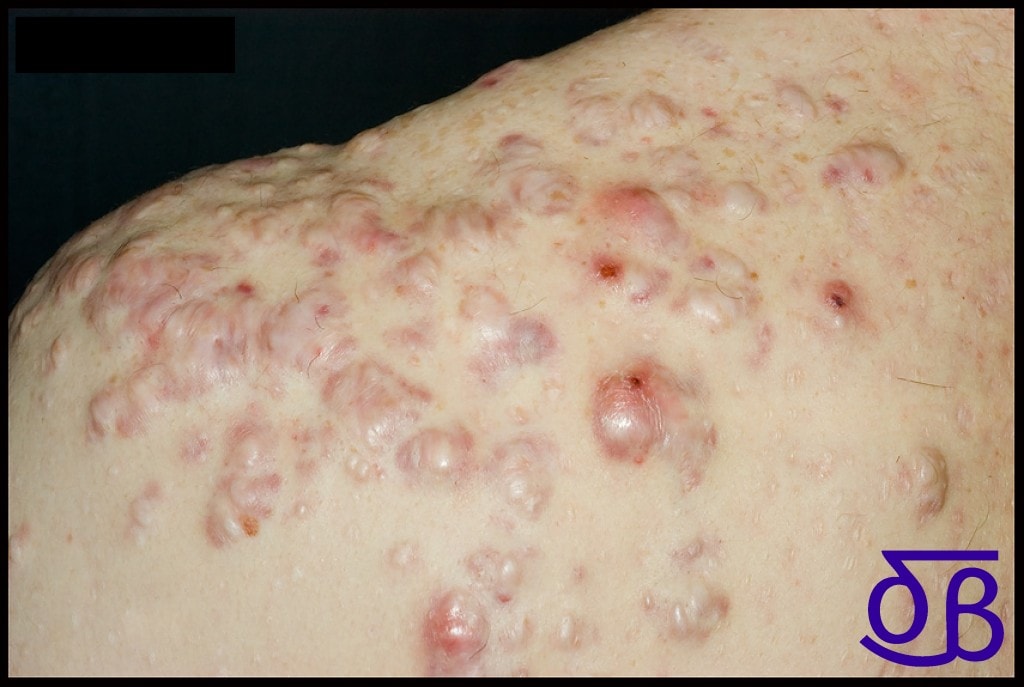
When an excessive amount of collagen is formed in the reparative tissue, a hypertrophic scar (does not exceed the limits of the wound) or a keloid (exceeds its limits) is obtained. Excessive scars are more difficult to treat than atrophic scars, which we will discuss below.
In the event that the new scar tissue is deficient in filling the injured space, atrophic (depressed) scars will form. Sometimes, the reparative tissue of the injury can be attached to the deeper parts of the skin if the collagen is excessively tight, forming a fibrosis that pulls the roof of the wound downwards, fixing the superficial parts of the wound to the deep tissue. In acne scars with fibrosis, some therapeutic maneuver must be practiced to free the superficial part of the attachment to the deep part of the skin, such as subcision (click here for more information).

What types of acne scars are there?
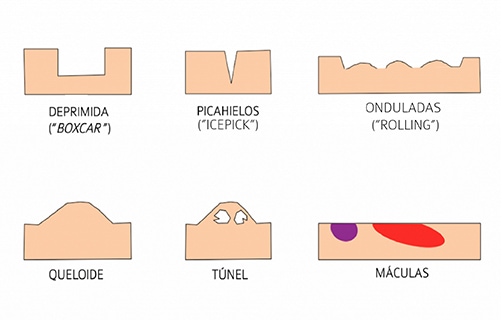
As we have mentioned, there are those that result from excess scar tissue:
1. Hypertrophic and keloid scars.
They are pink with a cupuliform roof that may or may not exceed the margins of the wound. They are especially common on the chest, upper back and earlobe after intense inflammatory acne (cystic-nodule). It is not uncommon for them to cause pain, itching and a feeling of tightness. In the facial area they are rare. Here you have more information about keloids.
On the other hand, if they are formed by a scar tissue defect (atrophic) there are other categories:
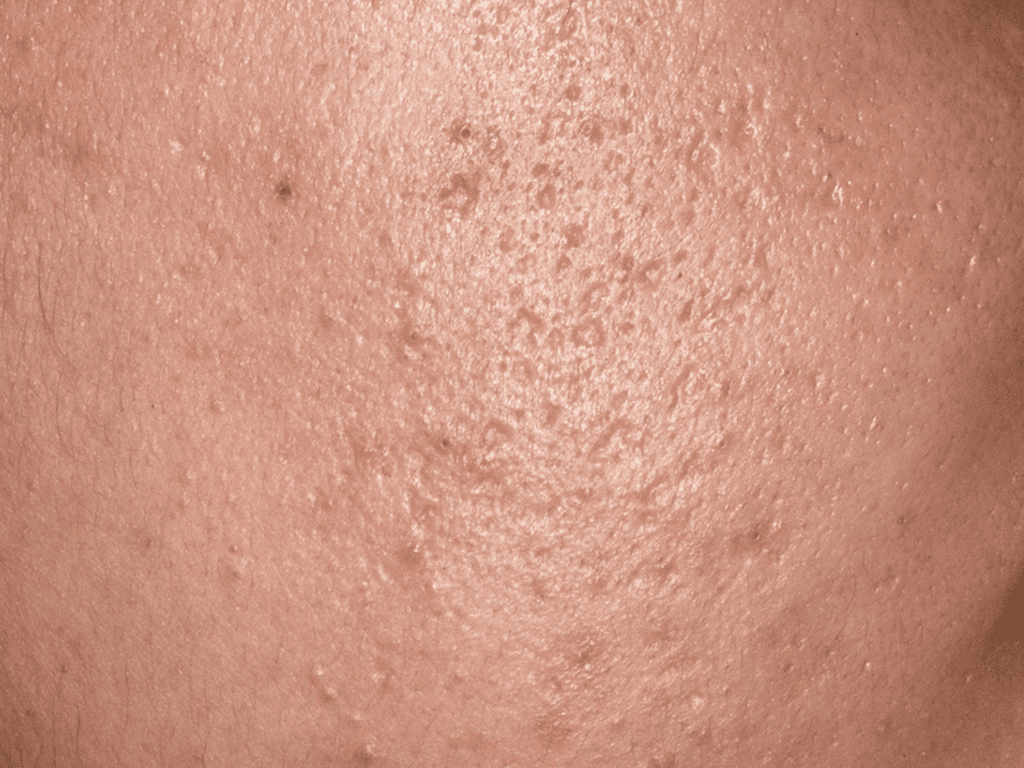
2. Boxcar scars.
They are perceived as superficial holes or depressions (whose wall is less than 0.5 mm high) or deep (greater than 0.5 mm high) with a diameter greater than 2 mm. The edges are perfectly defined and the floor of the scar is flat. They frequently appear on the face, in the temple and cheek area.
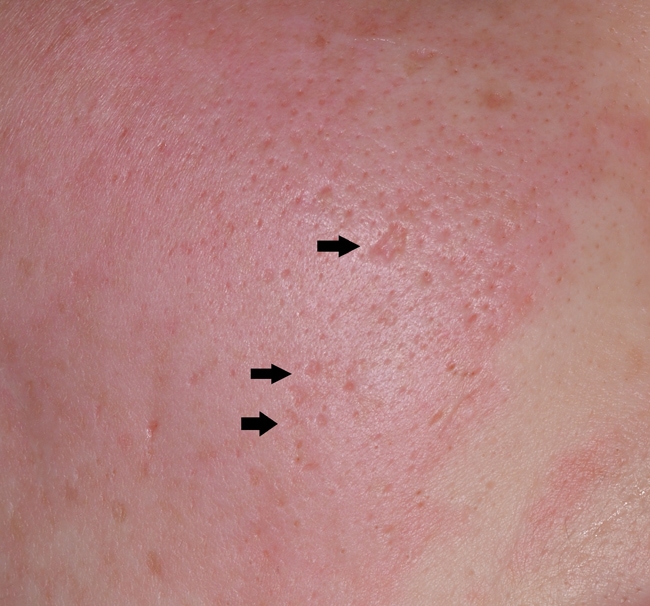
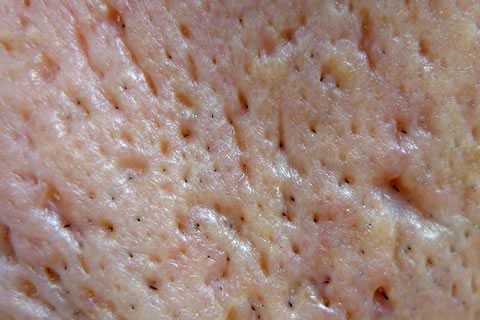
3. Ice-pick scars.
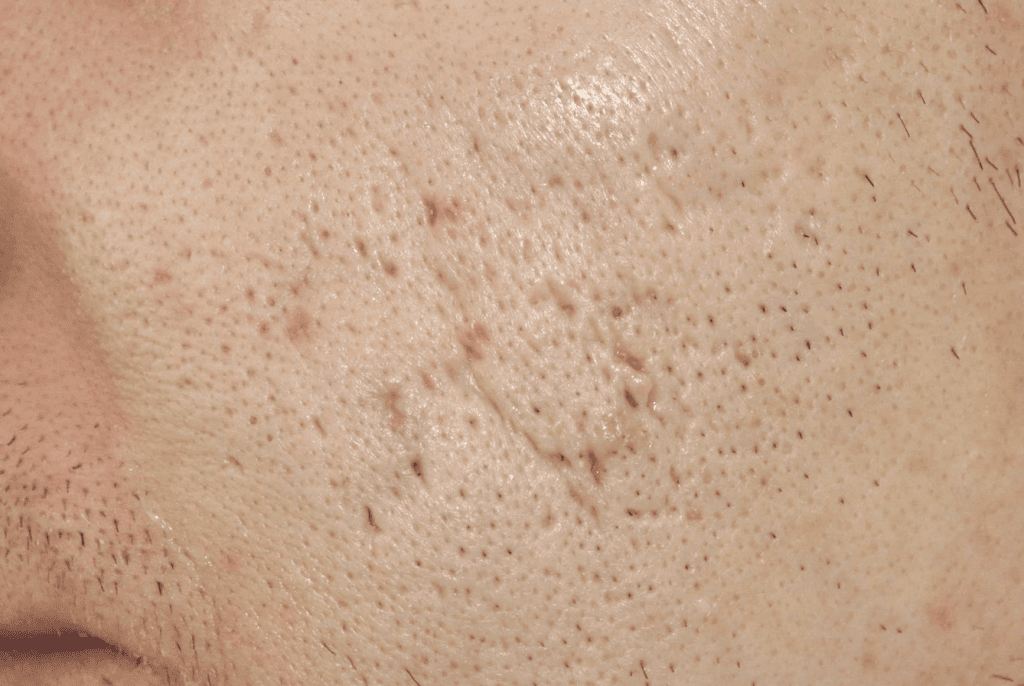
These are deep punctate holes, with a diameter of less than 2 mm, very well defined walls that converge towards the center. They may have fibrous tracts that join their fundus to the underlying tissue of the skin. They are typical of the cheeks.
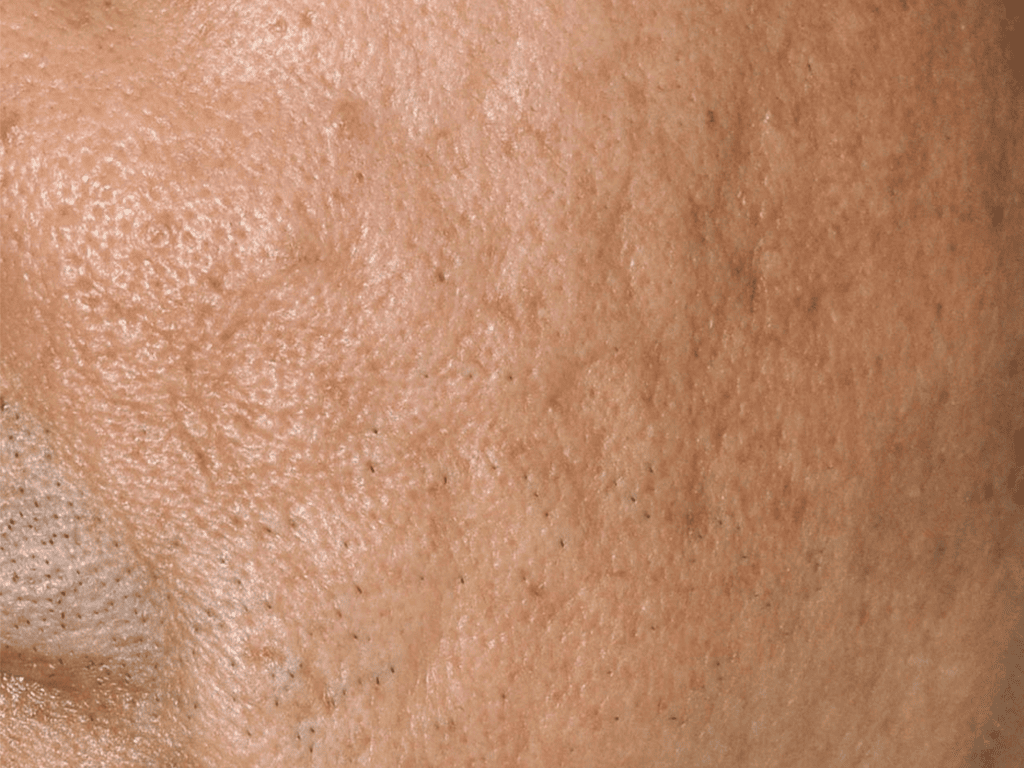
4. Wavy scars (“rolling“).
They are soft, without sharp edges, and give the skin an irregular, wavy, or etched texture. They can be seen in one type of light and be imperceptible in another. They usually affect relatively large areas.
How are they treated?
The therapeutic approach depends on the type of scars, their severity, their extent and the patient’s preferences. In general, there is no single treatment that improves all existing types and it is common for different therapeutic techniques to be combined in the Dermatology consultation.
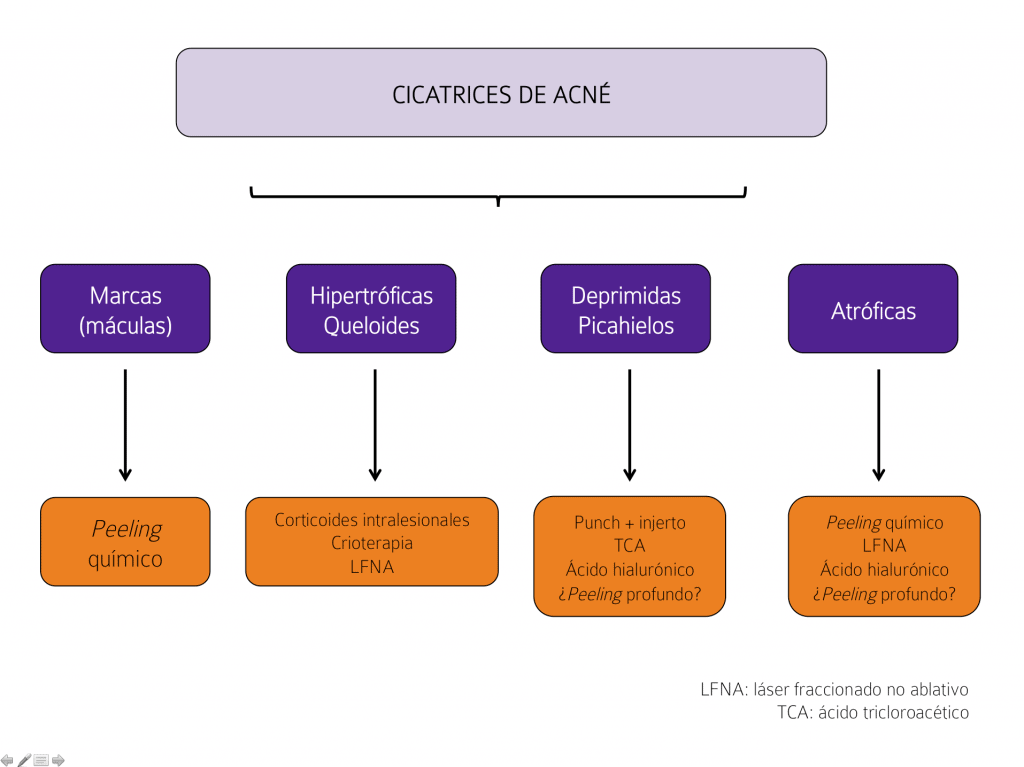
Depending on the type of acne scars, we can follow the following therapeutic scheme:
1. Keloids and hypertrophic scars.
They are difficult to treat. There are numerous therapeutic options, including local infiltration with corticosteroids with or without previous application of cryotherapy; the use of laser systems such as pulsed dye or non-ablative fractional laser. It should be noted that surgical intervention for the excision of keloids is the last option to consider, as it is related to a high rate of injury recurrence. You have more information about the treatment of keloids here.
2. Scars in van.
They can be treated with excision by means of a punch (circular scalpel) and closure with a graft from a donor area without suture; with surgical excision with a scalpel and direct closure; by peeling with trichloroacetic acid or ablative laser (erbium or CO2). You have more information about punches here. Resurfacing using the ablative fractional laser, applied with different techniques, is explained in detail at this link.
3. Scars on ice picks.
They are a therapeutic challenge, since the deep part of it is usually attached to the deep planes of the skin due to fibrosis. They can be treated by excision with punch with or without closure; CO2 laser with a punctiform or target technique; or by the specific application of 35% trichloroacetic acid (CROSS technique).
4. Wavy scars.
There are numerous options in the treatment: if they are very superficial, or as a support to other therapies, chemical peels of glycolic, pyruvic, retinoic and/or salicylic acid can be used (you can find more information about chemical peels here). An excellent option for its comfort and results is the use of the non-ablative fractional laser (click here) or the bipolar fractional radiofrequency of needles (click here), which can be combined with the aforementioned peelings or with the hyaluronic acid filler (here you have more information).

What are acne marks?
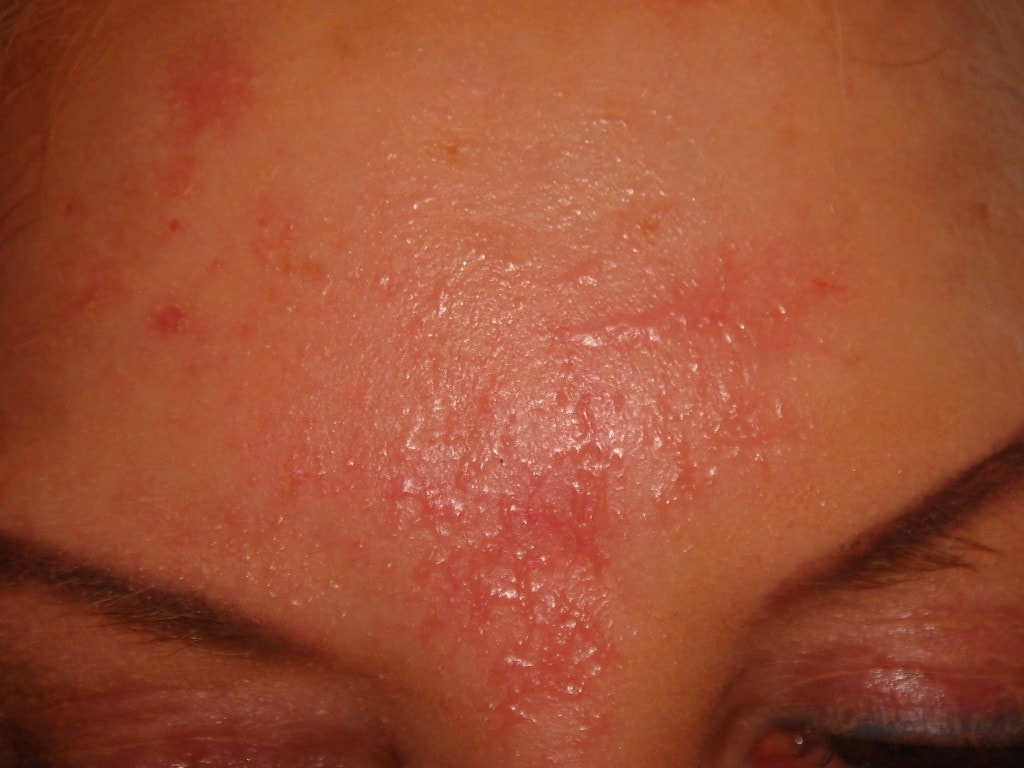
The popularly called “acne marks” correspond to inflammatory phenomena of repair of the lesion (erythema or redness) and subsequent disorders of skin pigmentation (hypo or hyperpigmentation). In them, it is observed that, where there was an inflammatory or manipulated acne lesion, red-purplish, whitish (hypopigmentation) or brown (hyperpigmentation) macules (spots) appear. These are usually temporary alterations in the color of the skin and are often reduced a few months after the disappearance of acne. However, in patients with dark skin (Fitzpatrick phototypes III or higher) they can remain for a long period of time and represent the most important aesthetic sequelae of acne.
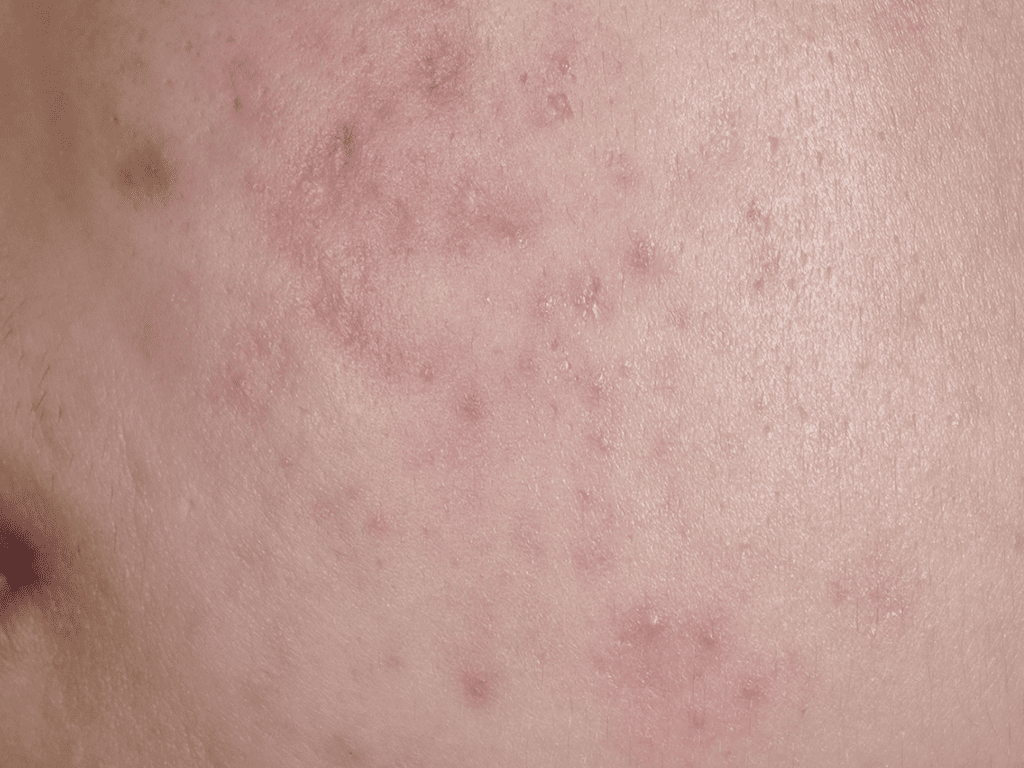
What is the treatment of acne marks?
Erythematous, purplish, white or brown macules do not have a specific treatment, beyond their prevention by avoiding the manipulation of the lesions and using a sunscreen with an SPF of 50 or higher, since in most cases they are temporary marks. However, erythematous macules can respond to the use of vascular laser, the application of topical timolol and the use of superficial peels such as salicylic acid.
REFERENCES
- Rivera AE. Acne scarring: a review and current treatment modalities. J Am Acad Dermatol. 2008 Oct; 59(4):659-76.
- Gan SD et al. Papular scars: an addition to the acne scar classification scheme. J Clin Aesthet Dermatol. 2015 Jan; 8(1):19-20.
- Connolly D et al. Acne scarring-Pathogenesis, evaluation, and treatment options. J Clin Aesthet Dermatol. 2017 Sep; 10(9):12-23.
- Clark AK, Saric S, Sivamani RK. Acne Scars: How Do We Grade Them? Am J Clin Dermatol. 2018 Apr; 19(2):139-144.
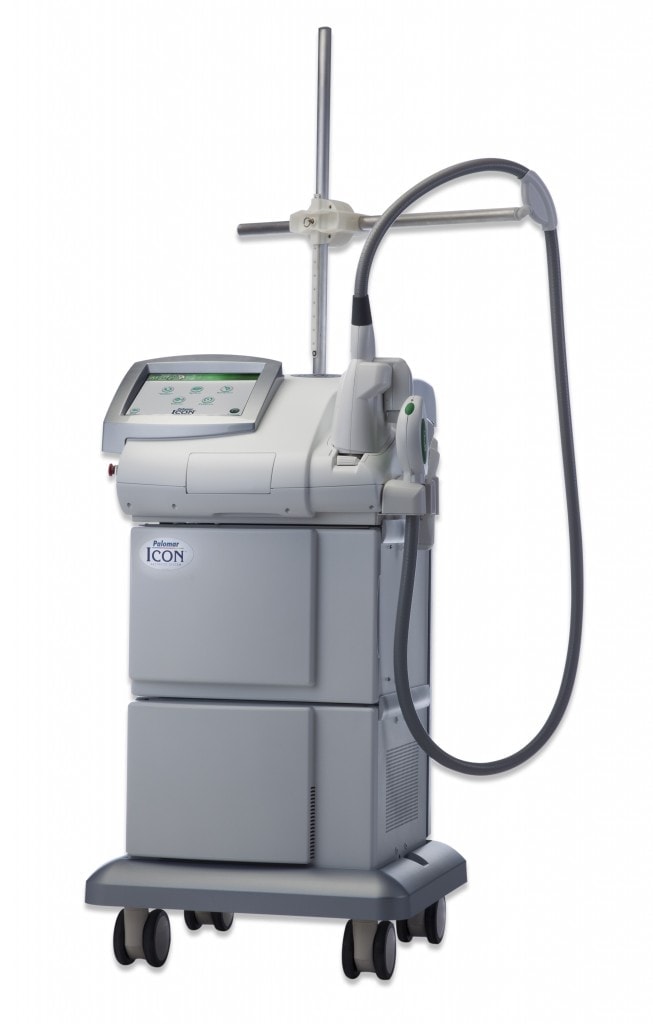
Click here to learn more about laser treatment of acne scars.

Click here for more information on chemical peels in acne.

Click here to learn more about acne scar subcision .
Click here to learn more about acne scar treatment with ablative laser.

Click here to learn more about papular scars, a type of acne mark.


