Introduction
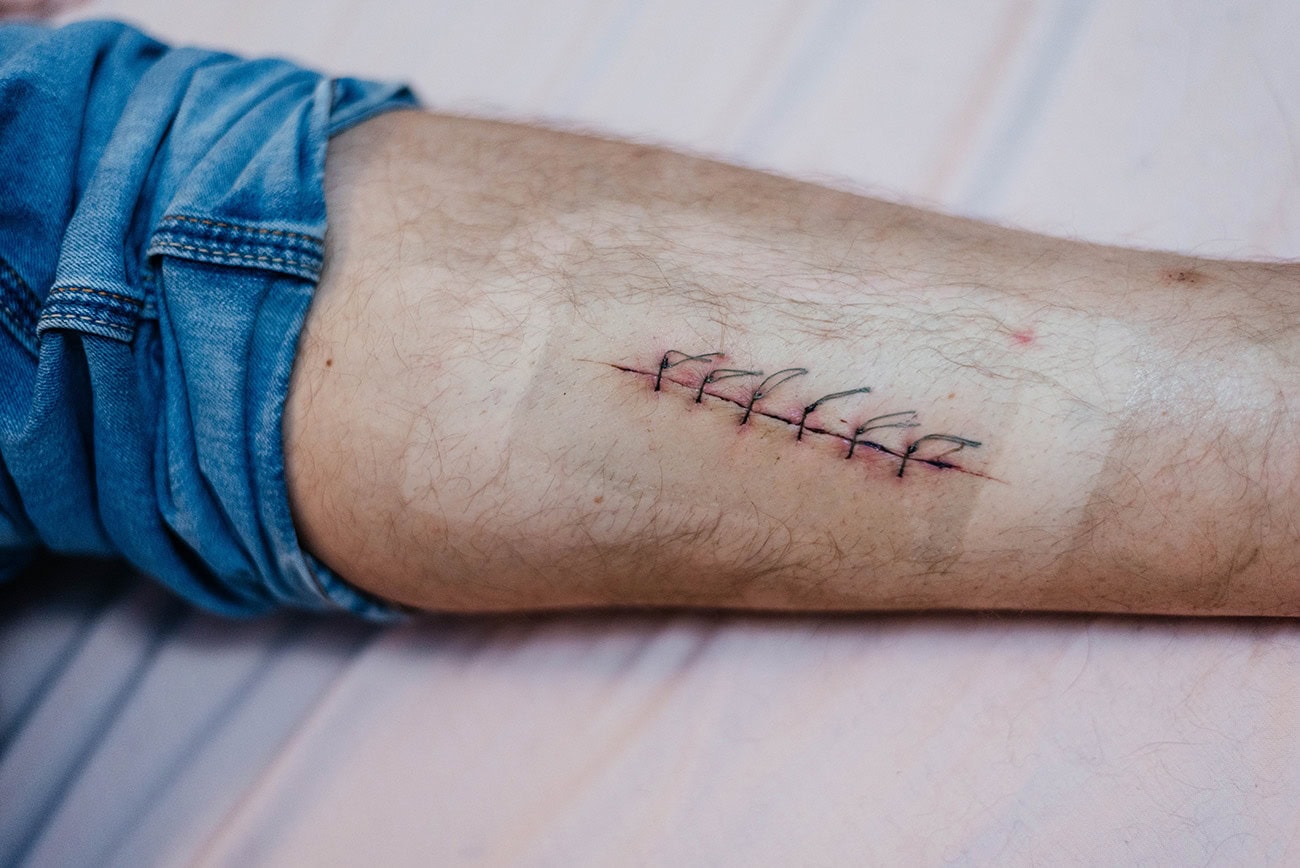
When we think of a scar, we tend to believe that “we have to wait for it to mature” before doing anything. However, today we know that on many occasions the opposite happens: the sooner we act, the better results we can achieve. This is especially important in recent scars after surgery, a fall, an accident or any wound that leaves red marks.
The pulsed dye laser, also known as PDL, has become one of the most useful tools for improving early scars. Its goal is not to completely erase the scar — because no technology can make a scar disappear 100% — but to help make it thinner, less red, and less visible over time.
One of the most important concepts we need to understand is the “treatment time window.” There is a period when the scar is still forming and remodeling. Acting in that phase can greatly change the final outcome.
Questions Answers
1. What is pulsed dye laser?
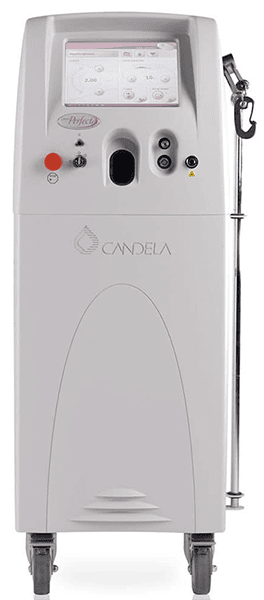
It is a laser designed to treat the vascular component of the skin, i.e. the excess blood vessels and redness that appear in many recent scars.
2. Why do recent scars often look red?
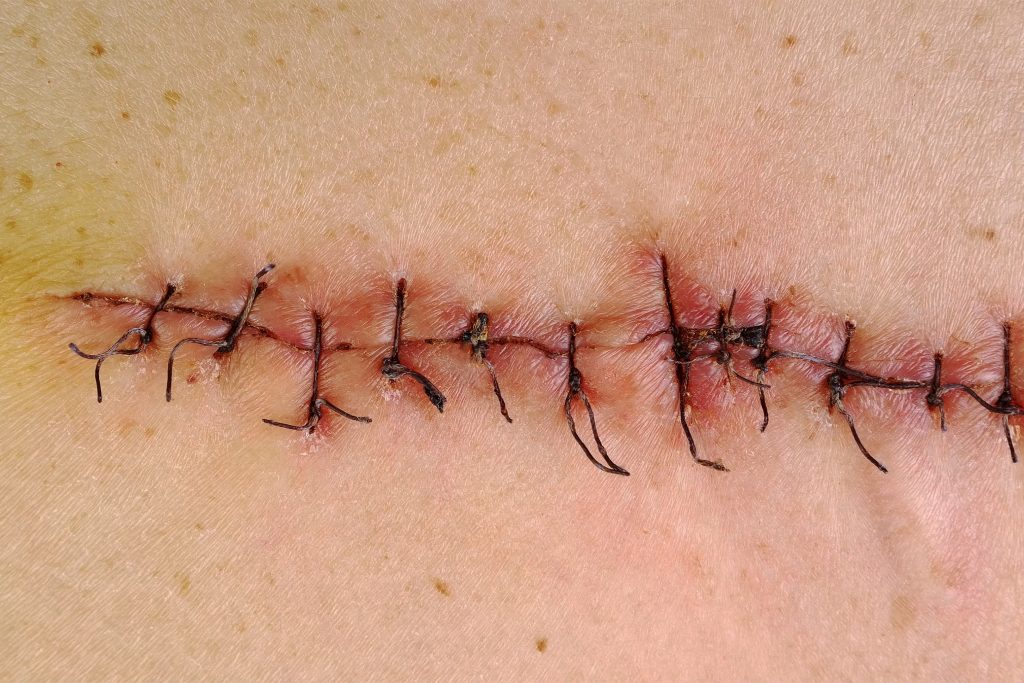
Because during the first few weeks the skin is repairing itself and creates many new blood vessels. That inflammation is part of the healing process.
3. What exactly does the laser do to the scar?
The laser reduces part of these blood vessels and helps to modulate inflammation. This usually leaves the scar flatter, less red and more discreet.
4. Is it better to treat a scar early or wait months?
In most cases, treating it early offers better results. Today we know that scars are not “finished” structures, but tissues that are continuously changing during the first months.
5. What is the ideal time window to start treatment?
The most recent studies show that the best time to start treatment is usually within thefirst 10 weeks after surgery or injury. This period seems especially important to improve the final aesthetic prognosis of the scar.
6. What happens if I wait too long?
The scar can still improve, but it usually takes longer to achieve major changes. The more mature the scar, the more difficult it is to change its structure.
7. Does this mean that after 10 weeks it is no longer worth treating?
No. Scars can continue to improve even months or years later. We simply know that acting earlier usually yields better results.
8. What type of scars can be treated?
Surgical scars, cuts, accidents, scars after stitches, traumatic wounds, or even some burn scars.
9. When can the first session be held?
It depends on how the wound is. Generally, we wait until the skin is properly closed and the stitches have been removed.
10. Does the treatment hurt?
The sensation is usually described as small hot clicks on the skin. It is a very tolerable and quick procedure.
11. How many sessions are usually needed?
It depends on each scar, but many people perform between 3 and 5 sessions to achieve a visible improvement.
12. Which improves first: color or relief?
Normally, redness improves sooner. Then, progressively, thickness and texture can also improve.
13. Does it serve to prevent hypertrophic or keloid scars?
In people with a tendency to get red or raised scars, starting early treatment can help decrease that risk.
14. Is it an aggressive treatment?
It is not usually considered aggressive. The skin may be somewhat red or slightly inflamed for a few hours, but recovery is quick.
15. Can I lead a normal life afterwards?
Yes. Most patients return to their usual routine immediately.
16. Does the laser completely remove the scar?
No treatment removes a scar 100%. The realistic goal is to make it less visible and more aesthetically pleasing.
17. Do all scars respond the same?
Many factors play a role: location, genetics, skin type, wound tension, or even how each person heals.
18. Are there areas of the body that heal worse?
Yes. Scars on the arms, legs, shoulders or areas with a lot of tension usually have a worse evolution than those on the face.
19. Can it be combined with other treatments?
Yes. Sometimes we combine the laser with fractional lasers, microinjections or specific care to further improve the result.
20. What is the most important thing I should remember about scars?
That we should not resign ourselves to “wait and see”. In many scars, acting early – especially within the first 10 weeks – can greatly change the final result and improve the aesthetic prognosis.
Key Ideas
- Fresh scars usually respond better to treatment than old scars.
- The pulsed dye laser helps reduce redness, swelling, and thickness.
- The ideal time window is usually within the first 10 weeks.
- The sooner action is taken, the better chance there is of improving the aesthetic result.
- The goal is not to erase the scar, but to make it less visible and more aesthetic.
REFERENCES
Chang HY, Wu BQ, Chang CC, Chen YT, Wang YJ. Defining the Treatment Window: Early Versus Late Pulsed Dye Laser Therapy for Posttraumatic and Surgical Scars in Asian Patients. Lasers Surg Med. 2025 Jan; 57(1):71-79.
Do you want to make an appointment?
If you have questions about the treatment or want to book an appointment, you can:
Email info@coriumdermatology.com
Call 93 715 56 08.
Send a WhatsApp message to 620 92 86 11.