
In most acne scars there is a loss of volume of the skin (atrophy), which gives the depressed or “etching” appearance of the area where they form. This atrophy is the result of a lack of hyaluronic acid and collagen in the dermis, the middle part of the skin, responsible for giving the turgor, volume and elasticity of healthy skin.
There are different methods to treat atrophic scars, which we could classify into two different groups according to their speed of action:
· Immediate effect. These are the so-called fillers, biocompatible substances that can be injected into the skin to give volume to areas that have lost it. These include hyaluronic acid, polylactic acid or calcium hydroxyapatite, among others. Their turgid effect is immediate, filling cavities, furrows and atrophic areas of the skin with very natural results. The duration of these materials is limited, so periodically (every 6 – 18 months) it is common for a new session to be performed.
· Delayed effect. It implies that they promote the synthesis of collagen and the fundamental substance of the dermis. Fractional lasers (ablative or non-ablative) and intermediate and deep peels are worth mentioning. The main advantage of these methods is that their effect is permanent once the optimal point of improvement has been reached, which is not immediate but after several sessions of the procedure. If you want to learn more about the non-ablative fractional laser click here.
Hyaluronic acid is indicated in the treatment of atrophic, depressed and ice pick acne scars. There are different densities of hyaluronic acid, designed to treat different forms of atrophy or volume loss. For the treatment of moderate acne scars or ice picks, it is useful to use low and intermediate densities; and to recover a large volume in especially atrophic areas, it is possible to use higher densities to cover the maximum repertoire of defects.
The main advantages of using hyaluronic acid lie in its immediate action, its durability, its biocompatibility and its minimal allergenic potential. This molecule has the ability to fill atrophic scars by providing optimal volume immediately and in the short term, promoting collagen synthesis in the long run. In this way, the irregularity on the surface of the skin is substantially reduced after the application of hyaluronic acid, improving the overall appearance of the skin in the treated area.
Another positive aspect of the use of hyaluronic acid is that it usually only requires a single application session . Likewise, fillers are one of the best tolerated aesthetic procedures as they have a minimal rate of adverse effects and the pain caused is minimal if you proceed with a precise technique. It is common for a low erythema (redness) to occur that lasts 2-4 hours after the procedure and can be reduced with the application of cold compresses.
According to studies published by Halachmi et al., the satisfaction rate and outcomes in patients with atrophic acne scars and ice picks treated with hyaluronic acid is excellent.
The only limiting aspect of hyaluronic acid fillers is their duration. This molecule is naturally degraded in the skin, persisting its effect for a period of 6 – 18 months depending on the density of hyaluronic acid used and the indication for which it has been applied. Specifically, for acne scars, the duration of hyaluronic acid is the maximum possible, as it is retained within the fibrosis that partitions the scars. It should be remembered that, in the long term, this molecule favors collagen synthesis, so progressively the perceptible effect is more lasting as different sessions are carried out.
FREQUENTLY ASKED QUESTIONS
What is the main indication of hyaluronic acid in acne scars?
Its main effect is to fill depressed scars and regularize the appearance of the skin surface.
When is the effect of hyaluronic acid noticeable?
The effect of hyaluronic acid is immediate and perceptible at the end of its application. Over the course of about a week , the hyaluronic acid settles in the applied area and progressively regulates the surface where it has been applied even more.
How is hyaluronic acid applied?
The procedure is performed in the Dermatology consultation through microinjections applied under the scars to be treated. An anaesthetic cream is usually used prior to the session and this is very tolerable, with minimal discomfort.
How many sessions of hyaluronic acid are needed to treat facial acne scars?
In general, if they are not very deep or extensive, just one is enough.
How does the face look after doing the filler session?
The corrective effect of hyaluronic acid is immediate. At the end of the session, most atrophic and depressed scars have recovered all or part of the lost volume. Immediately after the session, it is common for some redness to be seen in the treated areas and minimal swelling, which usually last between 2-4 hours. It is possible, although rare, that during the procedure a minimal punctual bruise may appear in an injection area, which will disappear spontaneously over the course of approximately a week.
Is it a painful procedure?
Filling with hyaluronic acid after application of anesthetic cream is one of the most well-tolerated and appreciated aesthetic procedures, with the patient satisfaction rate being excellent .
Can fillers be combined with other acne scar treatments?
Yes. They can be used concomitantly with peels or ablative/non-ablative lasers, or even botulinum toxin if desired. It is recommended, however, to perform them in separate sessions.
Is the effect of hyaluronic acid definitive?
No. Although with each session there is some accumulation of the effect due to the synthesis of collagen promoted by hyaluronic acid, it is advisable to practice a filler every 6-18 months depending on the indication and the area to be treated.

Click here to find out what types of acne scars are there.
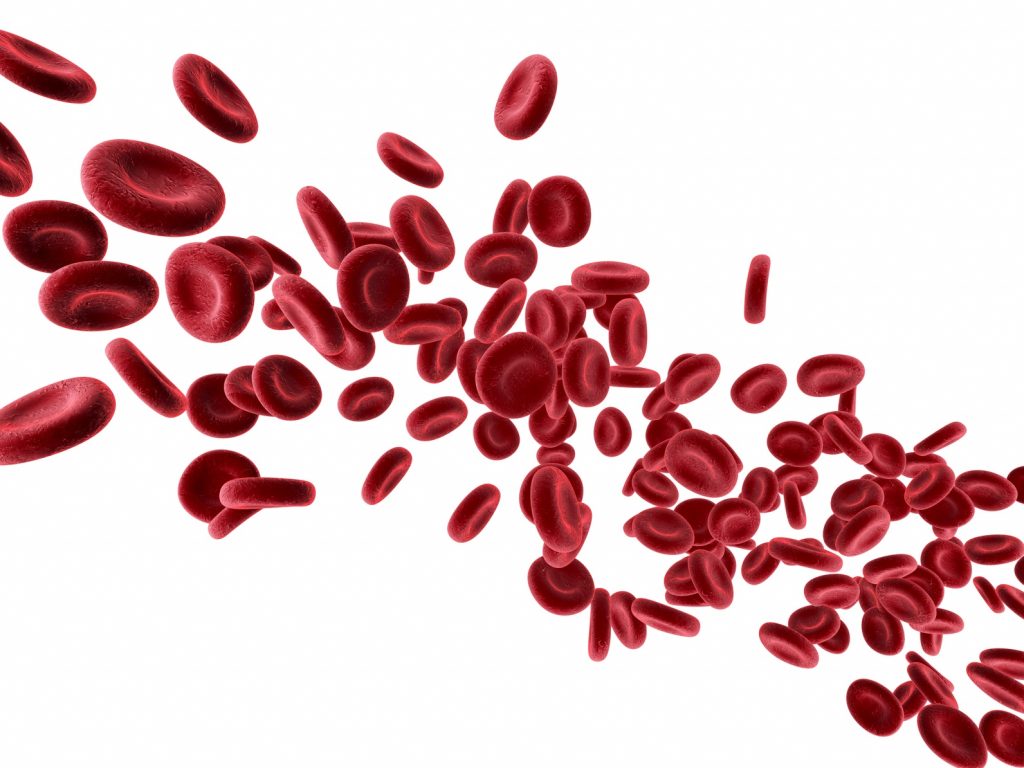
Click here to learn more about treating acne scars with platelet-rich plasma.
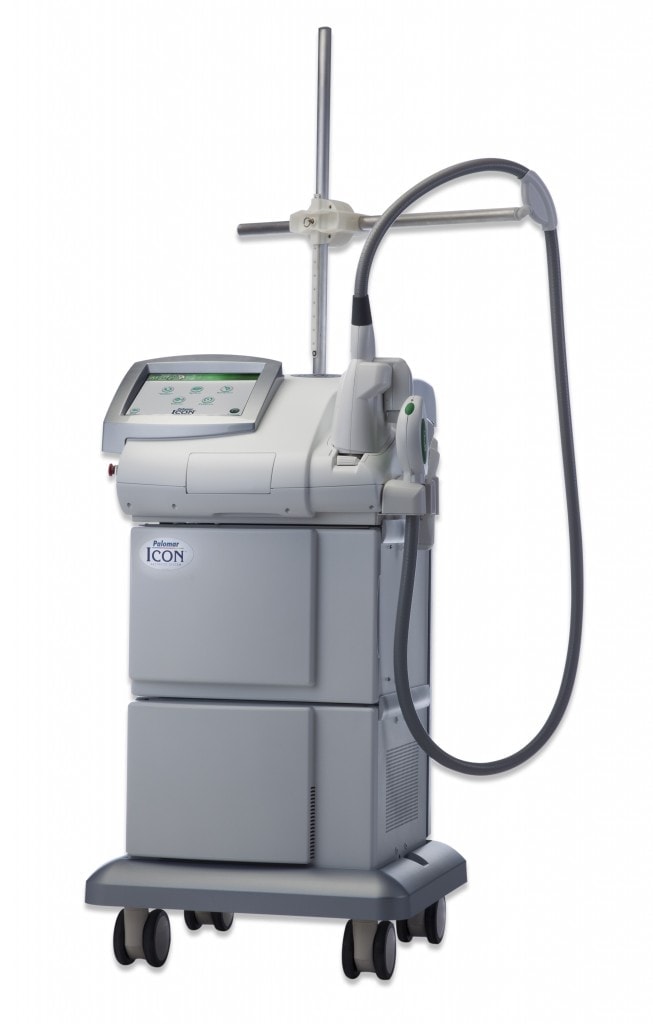
Click here to learn more about laser treatment of acne scars.

Click here for more information on chemical peels in acne.
REFERENCES
· Halachmi S, Ben Amitai D, Lapidoth M. Treatment of acne scars with hyaluronic acid: an improved approach. J Drugs Dermatol. 2013 Jul 1; 12(7):E121-3.