
Inflammatory acne can cause scars of two types, depressed (atrophic) and protruding (hypertrophic or keloid), which usually appear on the face or back. They are formed as a result of a reparative process of inflammation in the dermis, which leads to an alteration in its collagen .
The treatment of acne scars can be performed using different techniques, such as chemical peels, hyaluronic acid filler or laser. The treatment of acne scars with a fractional non-ablative laser has several advantages over other therapy systems: it is a comfortable, painless therapy, has excellent results and does not involve the formation of scabs that affect the patient’s normal rhythm of life. The basis of acne scar treatment with laser is the use of the non-ablative fractional system, which allows the regeneration and remodeling of the collagen in the dermis. This phenomenon allows the surface of the skin to adopt a more homogeneous appearance and the treated scars to fade or disappear.

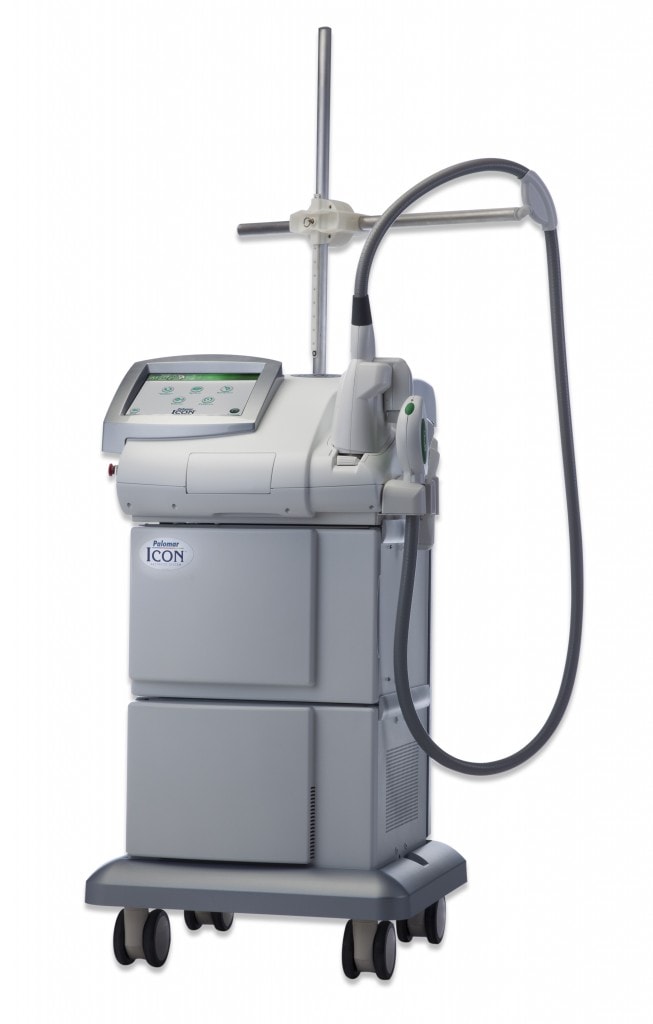
The treatment of acne scars with a non-ablative fractional laser is performed in sessions of a few minutes, separated over a period of 4-6 weeks, in which the refrigerated laser head is applied to the acne scars. The action of the laser light on the dermis causes collagen stimulation and, progressively, the scar area takes on a smoother and more homogeneous appearance. The number of sessions to laser treat acne scars with the non-ablative fractional device is variable, and is usually between four and six.
Laser treatment of acne scars with a non-ablative fractional device obtains results of improvement in appearance of up to 75%; and it does not cause damage to the superficial part of the skin as is the case with other laser systems. For example, the treatment of acne scars with ablative laser causes a destruction of the superficial and middle layers of the skin that force a period of loss due to the formation of wounds or scabs, which does not happen if non-ablative fractional laser systems are used for the treatment of acne scars.
After the treatment session of acne scars with non-ablative fractional laser, the skin is slightly erythematous (red) for a period of 2-5 hours, without causing wounds or scabs to form. This aspect is especially practical, as it allows the patient not to have to interrupt their usual rhythm of life.
The improvement of acne scars begins after the second laser session, and is progressive throughout and after the treatment. Because collagen synthesis is a dynamic process, the treatment of acne scars with non-ablative fractional laser causes an improvement that lasts up to six months after the sessions.

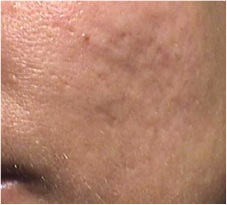
In conclusion, the treatment of acne scars with non-ablative fractional laser is currently the most comfortable therapeutic option with an optimal result/discomfort ratio, since it achieves very noticeable improvements without the need to cause any visible lesion on the skin that forces a period of sick leave.