
How do peels work on acne?
In acne there is an excess of sebum and a blockage of the follicular orifice (formation of comedones or pimples), which can be reduced by using chemical peels . It is very common for topical acne treatments to include in their composition some active ingredient that performs a certain exfoliating action (peeling).
To treat acne with chemical peels , glycolic acid or salicylic acid peels can be used, although the latter is the most effective due to its clear sebum-regulating and keratolytic action (it eliminates the plug that causes the comedo), and because it has a greater affinity for the sebaceous glands of the skin (lipophilic).
Salicylic acid chemical peels , due to their keratolytic and anti-inflammatory action, are effective for all types of acne, from grade I (comedonian) to IV (nodule-cystic); although the more severe the acne, the more additional treatment is needed in addition to the peel. In mild acne it is possible to treat the manifestations only with sporadic salicylic acid peels and topical treatment at home; in moderate/severe cases they are only a therapeutic support.
Likewise, acne scars and marks can also be treated with chemical peels of salicylic and/or glycolic acid. In combination with the fractional non-ablative laser, they are the most effective therapy as they impact the superficial layers of the skin (peeling) and the intermediate layers (peeling + laser) to increase collagen synthesis and decrease acne scars and marks. You can read more information about peels for acne scars and laser treatment of acne scars and marks.
Recent studies have shown that the combination of very superficial peels – such as salicylic acid peels – together with fractional non-ablative laser is more effective than the use of laser alone for the treatment of acne marks.
Currently, the most recommended therapeutic option to treat acne scars is the combination of non-ablative fractional laser with salicylic acid peels , due to its effectiveness, safety and optimal cost/benefit ratio.
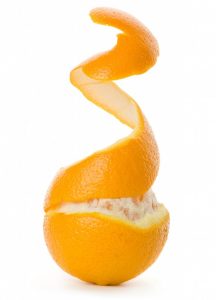
How is a salicylic acid peel performed?
Salicylic acid peels are the most superficial that exist and their safety profile is very high, so it is exceptional that any adverse effects occur.
First of all, it is required that 2-3 weeks before performing the peel, the patient prepares the skin to be treated by applying a formula containing keratolytic substances such as glycolic acid, salicylic acid and/or tretinoin. The preparation is strictly necessary, as it improves the penetration of the peel and therefore its effectiveness.
Once the preparation has been made, the peeling will be carried out in the dermatologist’s office. First, sebum and cellular debris must be removed from the skin using a hydroalcoholic or acetone solution .
Salicylic acid (usually 30%) is then applied to the skin to be treated with a brush. During application, a growing stinging sensation is felt that in just a few seconds or minutes reaches its acme, at which point it does not increase or continue.
While salicylic acid remains in the skin, it dries up and evaporates seawater. At this point, salicylic acid does not penetrate further and it does not need to be neutralized to stop working.
Subsequently, the remains of the peeling are removed and a mild moisturizer can be applied that will provide a pleasant sensation.

What does the skin look like after performing a salicylic acid peel for acne?
Because it is the most superficial peeling that exists, there will probably be no flaking or redness after it is performed. If they do take place, they are very discreet and with a mild moisturizer or gentle makeup they become imperceptible.
The improvement of acne lesions is practically immediate and their inflammatory signs are rapidly reduced, making the skin look smoother and less seborrheic.
Do salicylic acid peels have to be repeated?
Yes. In acne there is a basic tendency to excess sebum and the formation of comedones and inflammatory lesions, so peels must have a certain periodicity. They can be practiced from every week to approximately every 6 weeks , to maintain their effectiveness.
What care should be taken after having a salicylic acid peel?
You only have to apply SPF 30-50 sunscreen on a non-oily base so as not to clog the pores. If a topical kertolytic and anti-inflammatory treatment is used at home, the improvement after the peeling is greater and longer-lasting, so it is usually recommended.
The patient can wash their face and use make-up (oil free) without any worries after the peeling.
What are the contraindications of a salicylic acid peel?
It is contraindicated to apply it in pregnant women and in patients who are undergoing active treatment with isotretinoin, as well as in cases where there is an active infection in the area to be treated.

Click here to find out what types of acne scars are there.
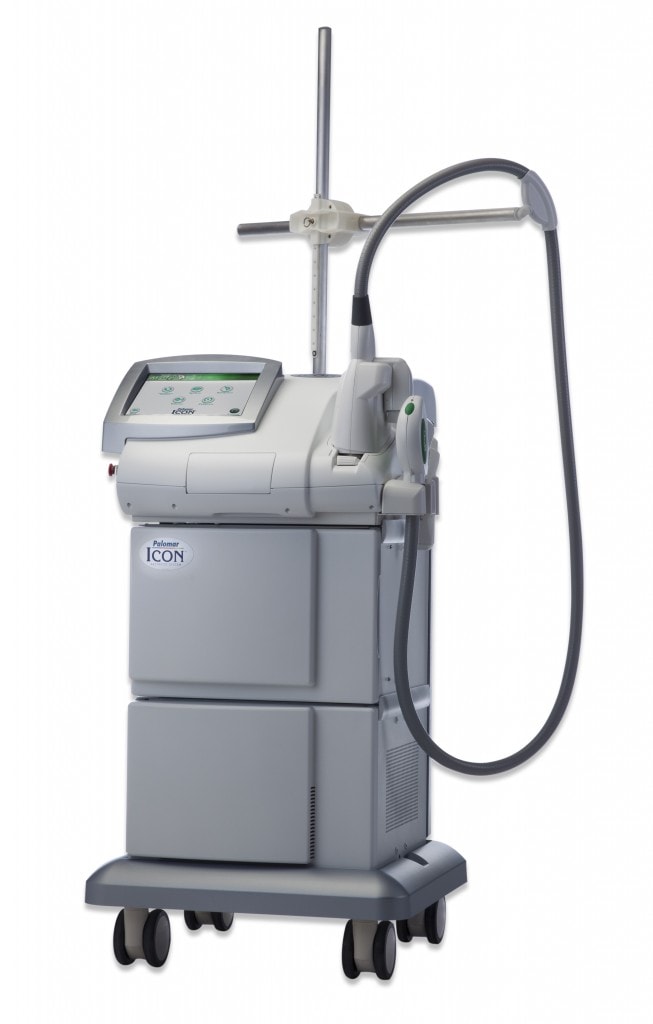
Click here to learn more about laser treatment of acne scars.

Click here to learn more about treating acne scars with hyaluronic acid.
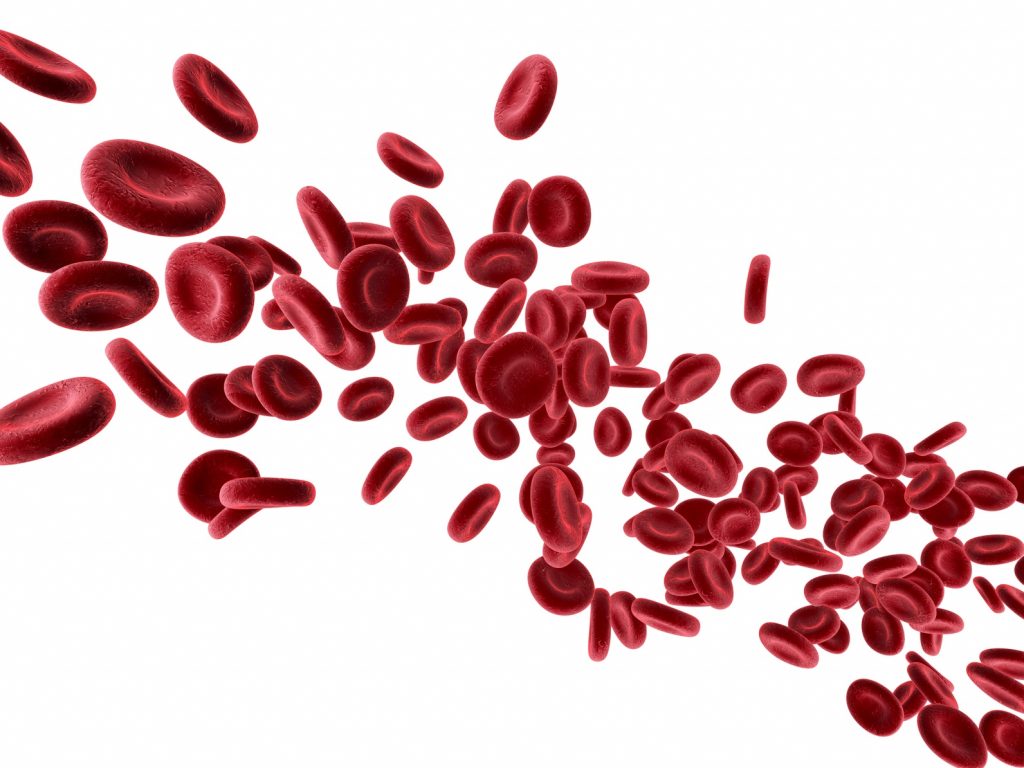
Click here to learn more about treating acne scars with platelet-rich plasma.
Bibliographic references
Zakopoulou N, Kontochristopoulos G.Superficial chemical peels. J Cosmet Dermatol. 2006 Sep; 5(3):246-53.
Fischer TC, Perosino E, Poli F, Viera MS, Dreno B. Chemical peels in aesthetic dermatology: an update 2009. J Eur Acad Dermatol Venereol. 2010 Mar; 24(3):281-92.
Kempiak SJ, Uebelhoer N. Superficial chemical peels and microdermabrasion for acne vulgaris. Semin Cutan Med Surg. 2008 Sep; 27(3):212-20.