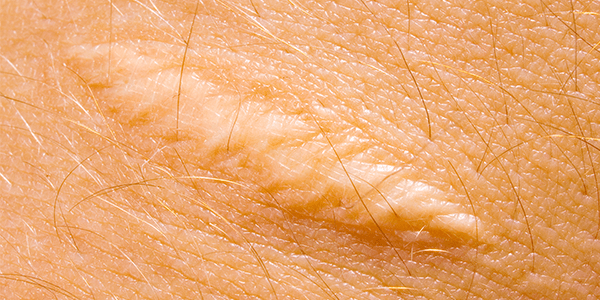
On many occasions, scarring is inevitable even if both the surgeon and the patient take extreme care in the execution of the intervention and in the care of the wound, respectively.
There are numerous therapeutic methods to improve scars, the choice of which will depend on the intrinsic characteristics of the scar, its location, the time of evolution and the patient’s preferences .
Below is a proposal for a therapeutic algorithm for the management of scars based on different parameters. In this post, we will not discuss the therapeutic options that the patient can carry out at home (hydration, silicone dressings, application of topical corticosteroids…). Nor will we discuss alternatives such as surgery plus radiotherapy, which are effective but beyond the scope of this article.
Timing
Scars take about a year to fully mature and, although it is possible that they improve after this period, it is during this period that the therapeutic effort must be focused on improving their appearance and functionality.
It is recommended to start the treatment of scars during the first three months after their formation, although with certain lasers therapy can be started even in the first two weeks after the intervention or accident (e.g., non-ablative fractional laser).
It should be borne in mind that any therapeutic option to improve scars requires several sessions spaced a few weeks apart, so the sooner the initial evaluation is carried out, the more time we will have and the better therapeutic calendar can be established.
Therapeutic approach to hypertrophic scars and keloids: Characteristics of the scar
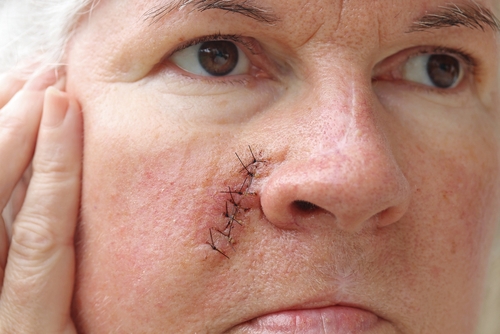
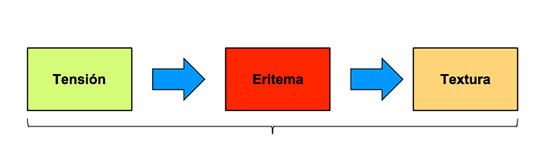
In the initial evaluation of a scar, tension, texture and erythema (redness) should be examined to consider the best therapeutic options aimed at impacting these parameters.
- Tension. First, it is necessary to evaluate whether there is tension in or around the scar. If this is the case, the best initial option is surgical release: reoperation to increase the flexibility of the scar tissue and/or surrounding skin. This can be achieved through plasties (incisions and reconstructions programmed to reduce tension in a tissue). The presence of tension in a surgical wound increases the risk of an aesthetically poor scar.
Likewise, tension is usually the main reason for reoperating a scar. Beyond this indication, in general the surgical exerresis or retouching of a scar is not recommended except in certain cases and as long as it is combined with other therapeutic options (e.g., radiotherapy, intrascarring infiltration of corticosteroids).
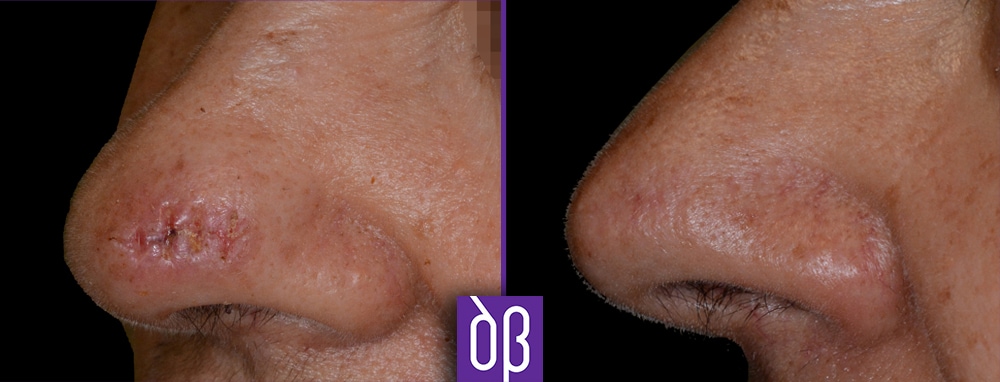
- Erythema (redness). The erythema typical of the first months of healing is normal and progressively improves spontaneously. However, vascular lasers (pulsed dye, KTP or neodymium) speed up the process and reduce the likelihood that an excess of blood vessels can promote the appearance of hypertrophic and keloid scars. Vascular lasers have been shown to increase collagen synthesis in the scar itself, improving its final appearance.
It is recommended that vascular lasers be used first before any resurfacing procedure in the same session when different ones are combined. Normally these second ones cause erythema and would modify the absorption of the energy of the vascular laser. The recommended parameters for treating scars are, in general, short pulses and low fluences.
We will discuss specifically the usefulness of KTP and neodymium lasers later in this blog post.
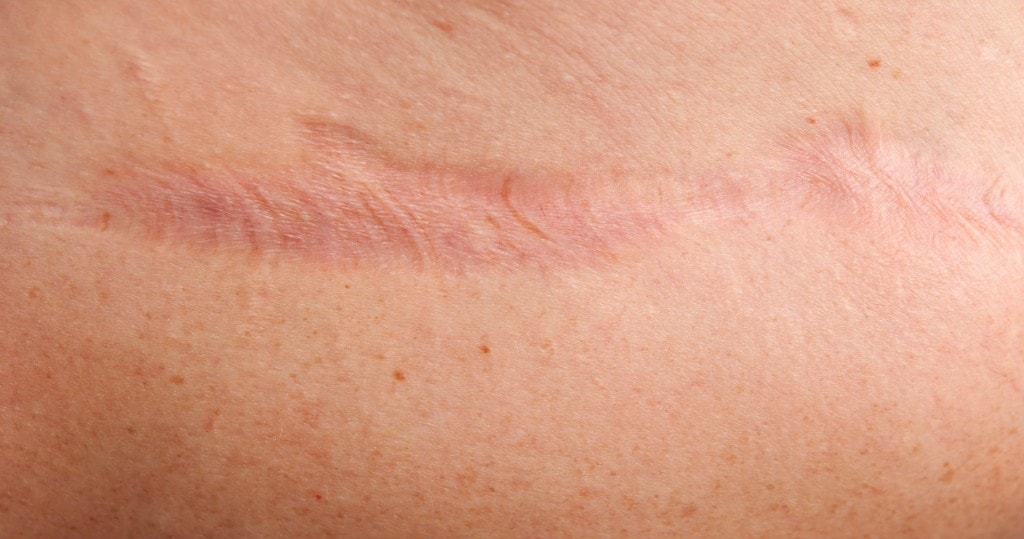
- Texture. Finally, in the initial evaluation, the surface of the scar is assessed, to know if it is hypertrophic or atrophic. This differentiation is essential to select therapeutic options, since they are usually completely different in one or the other assumption: in the first case the objective is to reduce the volume of scar tissue; and in the second, to increase it (e.g., with fillers).
Therapeutic Approach to Hypertrophic Scars and Keloids: Available Treatments for a Hypertrophic Scar and/or a Keloid
The treatment of a scar or keloid has countless possible options, and usually some of them are combined. The fact that there are many therapeutic alternatives indicates that there is none that is perfect or universal for all types of scars. The treatment of a scar is totally individual according to the origin and type of scar, the time at which therapy is started and the patient’s preferences.
The most common treatment options in dermatology consultation are discussed below, and on which there are more studies and experience, although they are not the only ones:
- CRYOTHERAPY.
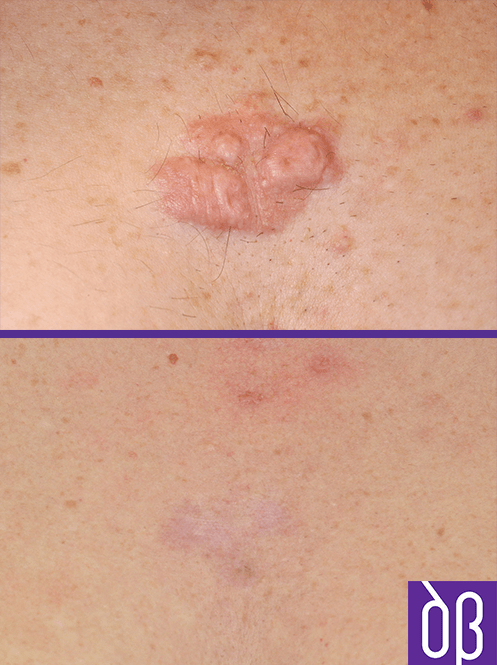
The application of liquid nitrogen on the surface of the scar (cryotherapy) reduces its volume due to constriction of its blood vessels and cell damage caused by the formation of ice crystals that lead to anoxia (lack of oxygen). Between one and three freezing cycles of 10-30 seconds in duration, repeated every 20 – 30 days, are generally recommended. It is a painful but extraordinarily simple technique with a very favorable benefit/cost ratio. There is the option of piercing the keloid using a lumbar puncture needle and circulating liquid nitrogen through it, although this technique is less frequently practiced. - Advantages of cryotherapy
– high effectiveness, speed and safety
– simple and economical procedure
– Can be combined with multiple therapeutic options
Drawbacks of cryotherapy
– pain
– may form blisters or scabs
- CORTICOSTEROIDS. The intralesional infiltration of corticosteroids into the scar or keloid is the most commonly used standard treatment and is recommended as the first therapeutic option. It reduces the excess formation of collagen, glycosaminoglycans, fibroblasts and the production of inflammatory mediators, thus acting on many of the causal factors of abnormal scars. It is an extremely safe procedure that usually offers very positive results (some studies report that, under certain conditions, they show improvements of 50-100%) at a low cost. Triamcinolone acetonide (Trigon®) or betamethasone (Celestone cronodose®) can be used. In the case of triamcinolone acetonide, it is recommended to infiltrate 0.1mL of solution of 20 – 40mg/mL per centimeter of scar. The main drawback of intralesional corticosteroid injection is the pain it causes at that time. They can cause some atrophy, the appearance of telangiectasias and hypopigmentation in the treated area and around the scar. Intralesional corticosteroid injection can be combined in the same session with other therapeutic methods, such as cryotherapy or the use of lasers.
Advantages of corticosteroid infiltration
– reduces scar volume
– decreases the itching and pain of the keloid
– simple and economical procedure
– high security
– Can be combined with multiple therapeutic options
Disadvantages of corticosteroids
– pain
– may form blisters or scabs
- CYTOSTATICS. These are drugs that reduce cell proliferation, so they are used in a wide range of diseases. Among the cytostatics, 5-fluorouracil (5-FU) stands out for its experience of use, which reduces the division of excessively active fibroblasts in scars. It can be combined simultaneously with corticosteroids at the time of intralesional injection. In a retrospective study, the most effective combination was 0.1 mL of triamcinolone acetonide (10 mg/mL) and 0.9 mL of 5-FU (50 mg/mL) up to 3 times a week. In addition to corticosteroids, other therapeutic options such as cryotherapy or lasers can be added to the treatment to increase effectiveness. Other cytostatics include bleomycin and doxorubicin (Adriamycin). For more information on the use of 5-FU, click here.
Advantages of 5-FU Infiltration
– high effectiveness and safety
– simple and economical procedure
– Can be combined with other therapeutic options
Drawbacks of 5-FU Infiltration
– pain
– may form wounds or scabs
– cannot be performed on patients taking brivudine
– requires completion by an experienced professional
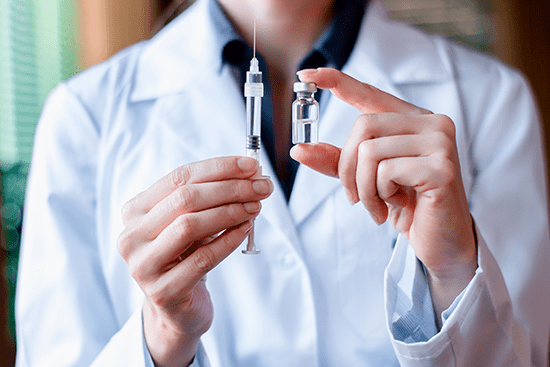
- BOTULINUM TOXIN. Botulinum toxin has numerous actions related to the reduction of excess neuromuscular transmission. It reduces the degree of contractility in the area where a scar sits, reducing its tension and, therefore, improving healing conditions. The injection of a concentration of 35U/mL, with a total dose of 70-140U, is recommended every three months.
Advantages of botulinum toxin infiltration
– high security
– Simple procedure
– Can be combined with other therapeutic options
Disadvantages of botulinum toxin infiltration
– high cost
– More studies are needed to assess its effectiveness
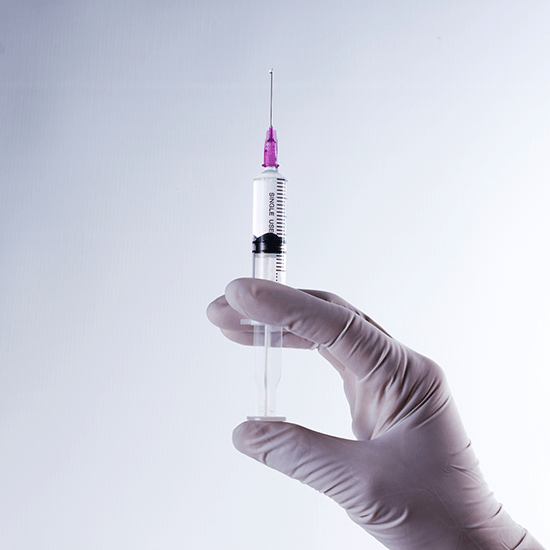
- OTHER TOPICAL OR INTRALESIONAL OPTIONS. There are alternatives to those mentioned, although these are poorly proven therapies. These include topical imiquimod, topical retinoids, intralesional verapamil, topical epidermal growth factor or topical tacrolimus.
- NON-ABLATIVE FRACTIONAL LASER. The non-ablative fractional laser manages to heat the dermis without damaging the epidermis, so it does not cause crusts on the surface. You can find more information here. By opening columns in the epidermis and dermis, it stimulates the regeneration and resettlement of the altered collagen. Depending on the evolutionary stage, it can improve the pigmentation, color, thickness and texture of the scars. As an isolated treatment, it is not very effective unless it is not started in the first stages of scar formation (first two months) or combined with other options such as intralesional infiltration of corticosteroids or vascular lasers (KTP, pulsed dye or neodymium).
Advantages of non-ablative fractional laser
– high security
– simple and fast procedure
– Can be combined with other therapeutic options
– does not crust or wound
Drawbacks of non-ablative fractional laser
– high cost
– painful if performed without topical or local anesthesia
– Ineffective in monotherapy or late stages of the scar.
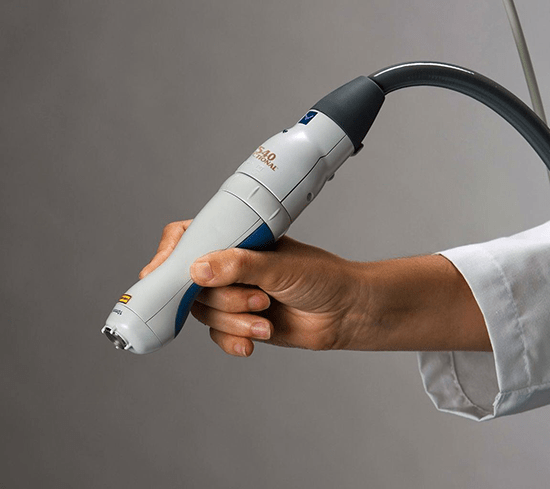
- ABLATIVE FRACTIONAL LASER. The ablative fractional laser manages to remove columns of skin from the surface of the skin to the dermis, allowing new wounds to form that will improve the arrangement of collagen in the existing scar. The collagen remodeling lasts up to 3 months after the procedure is performed. You can learn more about how the ablative fractional laser works here. It is able to improve the color and texture of thick scars where the non-ablative laser is of little use. Therefore, it is more effective than the non-ablative laser and requires fewer treatment sessions. However, by creating small new wounds, it forms scabs and therefore for a few days the appearance of the scar is more visible. It is especially effective in treating burn scars (more information here).
Advantages of the ablative fractional laser
– it is an effective and efficient method (more so than the non-ablative laser)
– it is able to improve the color, texture and thickness of the scar
– allows the removal of part of accidental tattoos on the wound (e.g. in asphalt or dirt burns)
– it is painless (less than the non-ablative laser)
– it is useful in late stages of the scar (months or years)
Disadvantages of ablative fractional laser
– in the same session it cannot usually be combined with other treatments
– leaves scabs and small temporary wounds on the scar
– It has more risks than other techniques (residual scar, redness lasting months…)
– requires the performance by an experienced dermatologist in the procedure
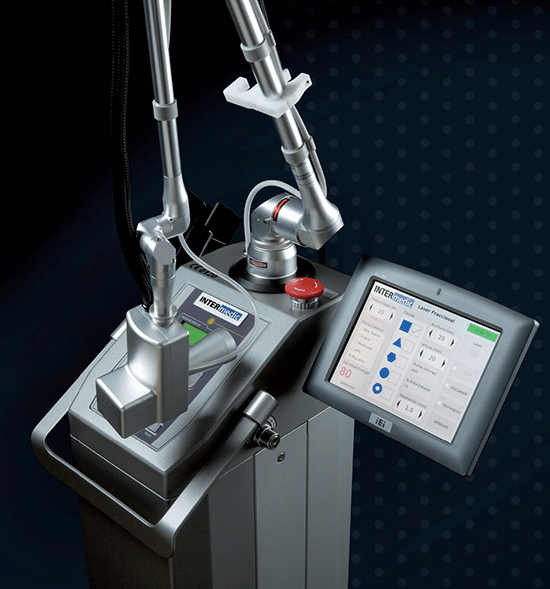
- CLASSIC ABLATIVE LASER (NOT FRACTIONATED). The classic ablative laser acts as a light scalpel, it is used to cut. Extreme caution must be taken in treating scars and keloids with this technique, and it should only be performed by experienced dermatologists. It is mainly indicated in those keloids that protrude very protruded from the earlobe and in a few other cases. It always requires combining it with other techniques, especially the intrascarring injection of corticosteroids in the same surgical act and subsequently.
Advantages of the classic ablative laser
– instantly removes keloid
– Extraordinarily effective for keloids in the ear
– it is useful in late stages of the scar (months or years)
– requires a single treatment session normally
Disadvantages of the classic ablative laser
– can only be used on very limited occasions
– requires great experience on the part of the professional
– a new wound is formed where the scar existed
– It is the technique with the most risks: infection, abnormal scarring…
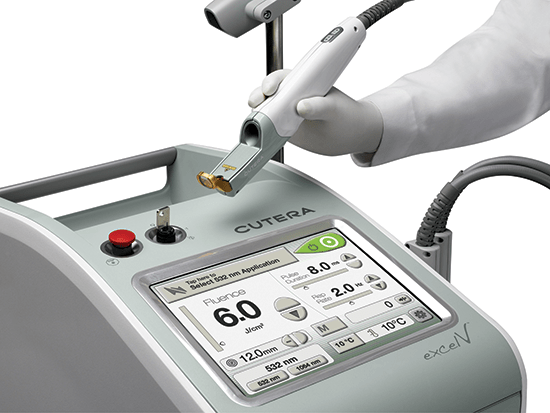
- KTP AND NEODYMIUM LASERS. KTP 532 nm and 1,064 nm neodymium lasers selectively impact the hemoglobin of blood vessels, making them useful in recent reddish scars. The use of these lasers in early stages of healing can prevent more complex treatments in the future, reduce excessive fibroblast proliferation and abnormal collagen synthesis. You can learn more about these treatment modalities here for the KTP laser and here for the neodymium laser. They are capable of improving the coloration and texture of scars, and can be combined with other methods such as cryotherapy, intralesional injection or other laser devices. They manage to eliminate the telangiectasias that can be caused by the injection of corticosteroids as a side effect. It is a very specific type of laser that only specialized centers have available, so the cost of treatment is not reduced.
Advantages of KTP and Neodymium Laser
– very useful for recent and reddish scars
– do not cause intense discomfort during the session
– can save treatments if applied early
– they can be combined with other options
– reduce fibroblast and collagen proliferation
Drawbacks of KTP and Neodymium Laser
– can only be used on recent scars
– they are expensive devices and are only available in specialized centers
Therapeutic approach to hypertrophic scars and keloids: VIDEO ON THE TREATMENT OF LASER SCARS
Therapeutic Approach to Hypertrophic Scars and Keloids: Conclusion
- The evaluation of a scar should take place during the first three months ideally.
- Surgical treatment of hypertrophic scars and keloids is not an option that can be considered in most cases, unless the scar is under tension.
- Keloids and hypertrophic scars can benefit from different therapeutic options depending on their stage of evolution and the patient’s preferences.
- The treatment of hypertrophic scars and keloids always includes the combination of different techniques, starting with the simplest and most economical that offer the best results.
- Some specific types of scars (red, in areas of tension, burns) may require more specific treatment (KTP/neodymium laser, botulinum toxin, ablative fractional laser, respectively).
- It is advisable that hypertrophic and keloid scars are assessed by a professional specialized in this field in order to offer the widest range of possibilities at the right time. Generic advice on scar care may not be enough on many occasions.
Therapeutic approach to hypertrophic scars and keloids: REFERENCES
· Eilers RE Jr, Ross EV, Cohen JL, Ortiz AE. A Combination Approach to Surgical Scars. Dermatol Surg. 2016 May; 42 Suppl 2:S150-6.
Click here for more information on laser treatment of scars and keloids.
Click here to learn more about laser treatment of acne scars.

Click here to learn more about KTP laser treatment of scars and keloids.

Click here for more details on neodymium YAG laser treatment of hypertrophic and keloid scars.