
What do we mean by less frequent treatments for acne?
They are the set of therapeutic options that are used in an unusual way, either because the most classic drugs (tetracyclines, retinoids, benzoyl peroxide) are contraindicated, are not available, have not been effective, or the patient prefers alternatives. Among the unusual topical treatments, sulphur stands out; and among the oral ones, dapsone, corticosteroids, zinc sulphate, ibuprofen and clofacimin.
What is zinc sulfate?
It is a mineral with a mild antibacterial and anti-inflammatory action. Some authors have used zinc sulfate at 220 mg/day successfully in mild-moderate pustular acne, although there are few large contrasted studies that reliably support its use. The main drawback of zinc, in addition to its moderate effectiveness, is its poor gastrointestinal tolerance.
How useful are corticosteroids in the treatment of acne?
Corticosteroids are anti-inflammatory and immunomodulatory. In patients with nodulocystic acne, acne fulminans or facial pyoderma, prednisone is usually prescribed at a dose of 0.5 – 1 mg/kg/day for 4 – 6 weeks to reduce the inflammatory component of these forms of acne. Methylprednisolone 40mg/48h can also be used for a month and a half. It is highly recommended to use oral corticosteroids before or immediately when starting isotretinoin in very inflammatory forms of acne, as they avoid the probable exacerbation that severe acne can present when starting oral retinoids.
Is ibuprofen useful for treating acne?
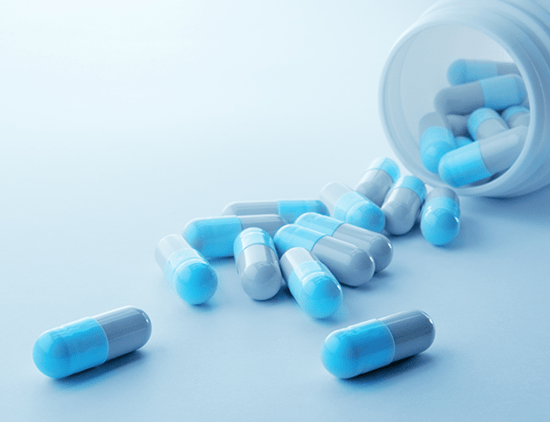
Given their anti-inflammatory action, non-steroidal anti-inflammatory drugs (NSAIDs) such as ibuprofen may have a place in the therapeutic range of acne. Ibuprofen inhibits the accumulation of neutrophils (the main type of immune cells that form pus) around inflammatory lesions. Some studies have shown the efficacy of combining doxycycline or minocycline (tetracyclines -antibiotics-) with ibuprofen (doses of 1,200 – 2,400 mg/day) over a period of two months.
What is dapsone and what use does it have in the treatment of acne?
Dapsone (diaminodiphenylsulfone) is an antibiotic with anti-inflammatory action. It also inhibits neutrophil chemotaxis. For this reason, it is used orally in different skin diseases in which the neutrophil is the protagonist (dermatitis herpetiformis, subcorneal pustulosis, acne, leukocytoclastic vasculitis, tuft folliculitis…). As for acne, sulfone has shown efficacy in nodulocystic forms at a dose of 50 – 100 mg/day for 3 months. In milder forms, the effectiveness is lower. Before starting treatment with dapsone, your dermatologist should recommend an analysis to determine the levels of glucose 6 phosphate dehydrogenase, the main enzyme involved in the metabolism of dapsone. This will allow you to know the dosage to follow.
Dapsone can also be used topically, in 3-5% gel form, with good responses in moderate-mild acne. Although it is used topically, it is advisable to perform the analysis described above.
How does clofacimin work on acne?
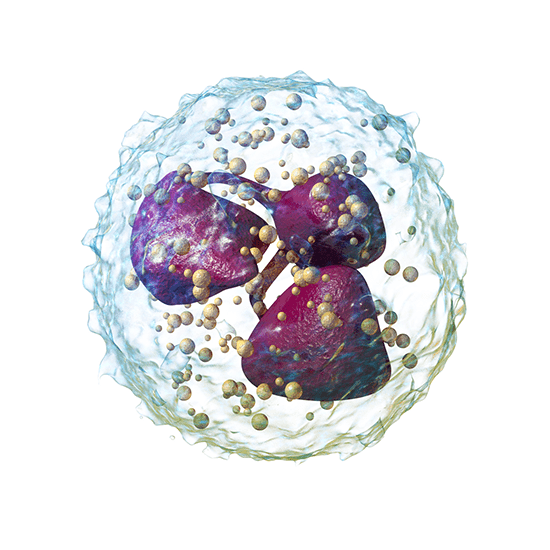
Clofacimine is an antibiotic with anti-inflammatory action, and it is believed to also act on the neutrophil and monocyte (another cell of our immune system). It has special action in acnes with a granulomatous component in which isotretinoin has previously failed, in acne fulminans and also in solid facial edema, an exceptional complication of acne. The usual doses are 200 mg three times a week.
What is the activity of trimethoprim/sulfamethoxazole in acne?
Cotrimoxazole (a combination of trimethoprim and sulfamethoxazole) is a drug with antibacterial, antifungal and antiprotozoal action. It consists of a fixed combination of one part trimethoprim to five parts sulfamethoxazole that acts synergistically preventing microorganisms from being able to manufacture their nucleic acids (genetic material) by obstructing the synthesis of folic acid. Cotrimoxazole is also believed to have an anti-inflammatory and immunomodulatory action. For acne, perioral dermatitis and rosacea, cotrimoxazole can be used at a dose of 400/80 mg per day.
REFERENCES
· Kaminsky A. Less common methods to treat acne. Dermatology. 2003; 206(1):68-73.
· Michałek K, Lechowicz M, Pastuszczak M, Wojas-Pelc A. The use of trimethoprim and sulfamethoxazole (TMP-SMX) in dermatology. [eos]Folia Med Cracov. 2015; 55(1):35-41.