Introduction
Acne is no longer understood only as a problem of pimples or excess oil. Today we know that behind it there is inflammation, alterations in the skin microbiota and an exaggerated response of the skin that can end up leaving marks or scars. In recent years, new technologies have appeared capable of treating acne in a more skin-friendly way and with fewer side effects. One of the most interesting is biophotonic therapy with fluorescent light energy (FLE).
This treatment uses a combination of LED light and a special gel to stimulate natural skin repair processes. The aim is not only to dry out pimples, but to reduce inflammation, speed up skin recovery and improve the overall quality of the skin. Below we answer the most frequently asked questions about this therapy.
Questions Answers
1. What is biophotonic therapy?
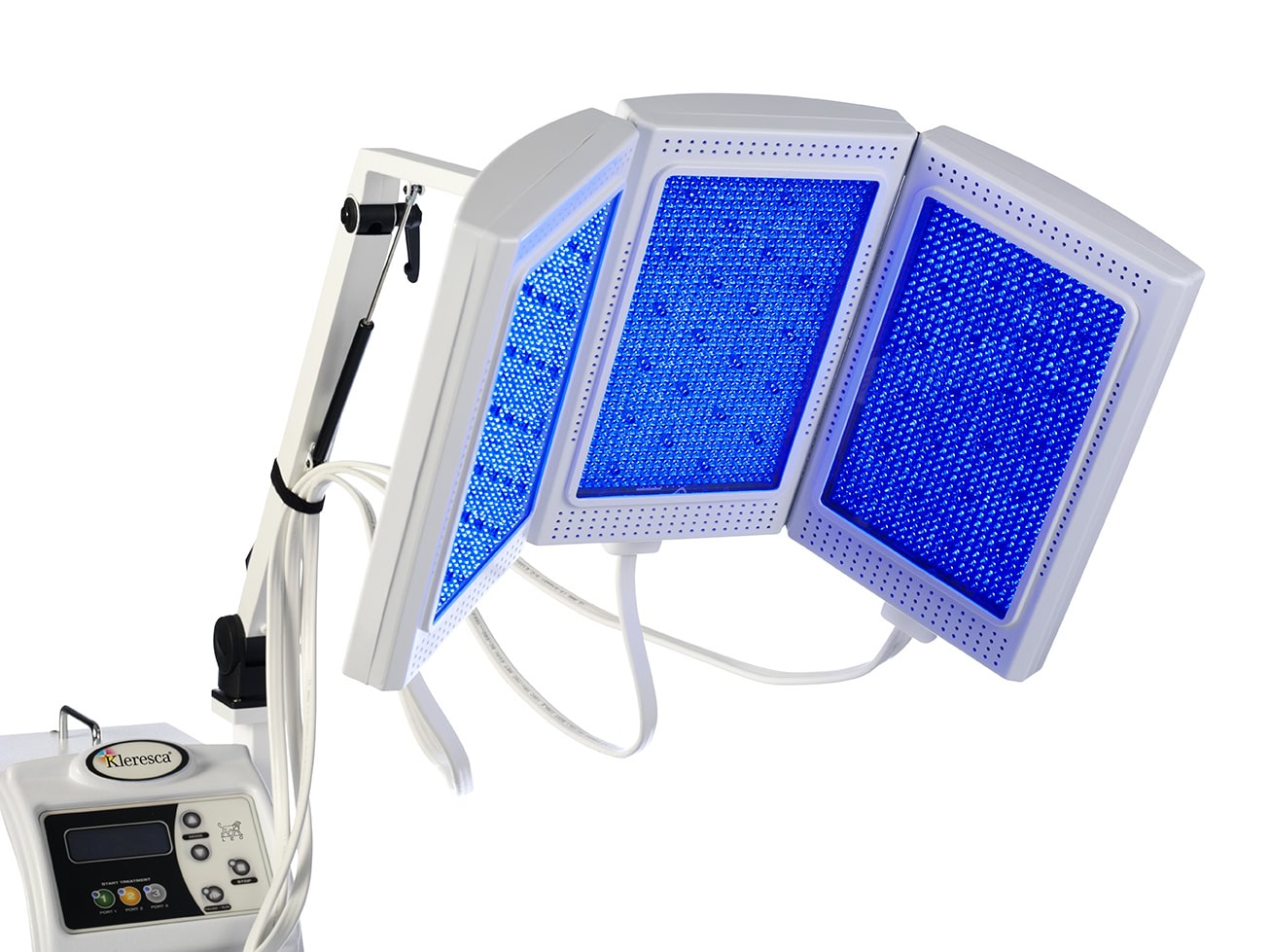
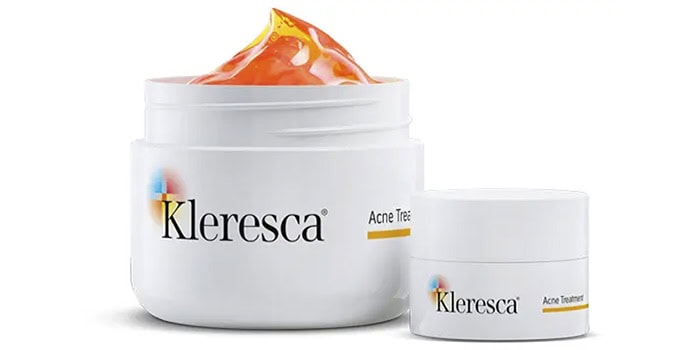
It is a treatment that combines an LED lamp with a special gel that transforms light into fluorescent energy. This light acts on the skin helping to reduce inflammation and improve the appearance of acne.
2. What type of acne is it good for?
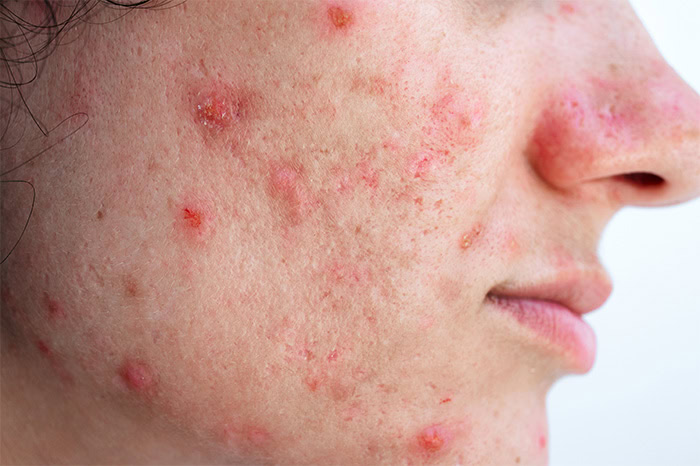
It can be used on mild, moderate, and also some more severe inflammatory acne. It is usually especially useful in people with red, painful pimples, or repeated breakouts.
3. How does it improve acne?
Light helps soothe inflammation, decrease the activity of acne-related bacteria, and encourage better skin repair.
4. Is it similar to a laser?
Not exactly. Although both use light energy, biophotonic therapy is much gentler. It does not seek to burn or remove layers of skin, but to stimulate natural repair mechanisms.
5. Does it hurt?
It usually does not hurt. Most people describe a pleasant warm sensation or slight glow on the skin.
6. How long does each session last?
The main part of the treatment usually lasts about 10 minutes, although the entire visit can be a little longer due to the cleansing and preparation of the skin.
7. How many sessions are needed?
The most common is to perform two sessions per week for about six weeks, although it depends on the type of acne and each patient.
8. When do you start to notice results?
Many people notice less swelling and less redness already in the first few weeks. The improvement continues progressively over the following months.
9. Is it only used to remove grains?
No. One of its strengths is that it also improves the quality of the skin. Many people notice that their skin is more even, luminous and with better texture.
10. Can it help prevent scarring?
Yes. By better controlling inflammation and promoting a more orderly repair of the skin, it can help decrease the risk of marks and scars.
11. Can it be combined with other treatments?
Yes. It is often combined with creams, antibiotics, or isotretinoin to boost results and improve tolerance.
12. Is it useful if I have sensitive skin?
Precisely, many people with sensitive skin tolerate this therapy very well because it is a non-aggressive treatment.
13. Can it be done in summer?
Yes, although we always recommend protecting the skin from the sun. As it is not an aggressive treatment, it can usually be performed during sunny seasons with the usual precautions.
14. Does it have side effects?
Side effects are usually mild and temporary. Some redness or a warm feeling may appear for a few hours.
15. After the session, can I lead a normal life?
Yes. It does not require rest or recovery. Most people immediately return to their usual routine.
16. Is it an alternative to isotretinoin?
In some mild or moderate cases, it can help avoid more intense treatments. In other patients, it is used to supplement isotretinoin and improve the outcome.
17. Is it also suitable for adults with acne?
Yes. We are seeing more and more acne in adults, especially in women, and biophotonic therapy may be a good option in this group.
18. Can it be used on very inflammatory acne?
Yes. It has been used in even more aggressive forms of acne, helping to decrease redness and inflammation.
19. What is different about it compared to other light treatments?
The key is in the chromophore gel that transforms light and generates different fluorescent wavelengths. This allows for a broader action on inflammation and skin repair.
20. What do patients value most?
Many patients report that they notice fewer breakouts, less redness, and healthier skin without the need for aggressive treatments or long recovery periods.
Key Ideas
- FLE simultaneously attacks bacteria, inflammation, and skin repair.
- Visible results from the second or third week and maintained at 12 months.
- High safety profile: mild and transient side effects.
- It allows reducing doses of isotretinoin or antibiotics in moderate-severe cases.
- Useful even in refractory forms such as acne conglobata or fulminans.
Do you want to make an appointment?
If you have questions about the treatment or want to book an appointment, you can:
Email info@coriumdermatology.com
Call 93 715 56 08.
Send a WhatsApp message to 620 92 86 11.