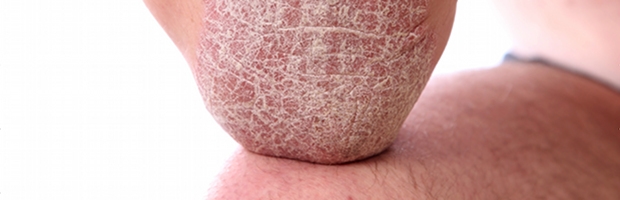
Psoriasis is a chronic skin disease, characterized by the appearance of erythematodesquamatic and hyperkeratotic ( reddish and crusty) plaques, usually on the elbows, knees and scalp. Although it usually affects only the skin, there is a certain incidence of lesions on the nails, scalp and inflammation in the joints (psoriatic arthritis).
Psoriasis usually has periods of stability and flare-ups throughout life and, although it is not usually a serious disease, it does have a very important impact on the quality of life of the person who suffers from it. For this reason, a physical examination of the lesions and a dialogue with the patient is essential to confirm what type of psoriasis they have, its extent, previous treatments and the resulting impact on their life. Dialogue and exploration are the two basic pillars to focus on the treatment of each patient’s psoriasis, which must be individualized and specific to each person depending on what is mentioned and their usual rhythm of life
Although the cause of the disease is unknown, there is evidence that there are inflammatory phenomena in the skin lesions due to an abnormal immune response. For this reason , treatments basically have an anti-inflammatory and immunomodulatory action, whether they are administered topically (applied to the lesions), orally or injected. The usual therapeutic approach in patients with mild psoriasis lies in the use of convenient and effective topical preparations ; and in more severe cases of psoriasis, oral drugs are usually co-administered, including retinoids (vitamin A derivatives), methotrexate and cyclosporine. Oral drugs are usually very effective and not only act on the skin component but can also improve nail and joint involvement.
The therapeutic possibilities for psoriasis are practically endless and the choice depends on the type of lesions that the patient has and the dialogue that is established between the patient and their dermatologist.
LEARN MORE
Check out the Blog posts for more information:
→ Personalized patient approach
References:
Puig L, Carrascosa JM, Daudén E, Sánchez-Carazo JL, Ferrándiz C, Sánchez-Regaña M, García-Bustinduy M, Bordas X, Moreno JC, Hernanz JM, Laguarda S, García-Patos V; Spanish Psoriasis Group of the Spanish Academy of Dermatology and Venereology. Spanish evidence-based guidelines on the treatment of moderate-to-severe psoriasis with biologic agents. Actas Dermosifiliogr. 2009 Jun; 100(5):386-413.
Puig L, Bordas X, Carrascosa JM, Daudén E, Ferrándiz C, Hernanz JM, López-Estebaranz JL, Moreno JC, Sánchez-Carazo JL, Vanaclocha F, Vázquez-Veiga H; Spanish Psoriasis Group of the Spanish Academy of Dermatology and Venereology. Consensus document on the evaluation and Venereology. Actas Dermosifiliogr. 2009 May; 100(4):277-86.