What is it?
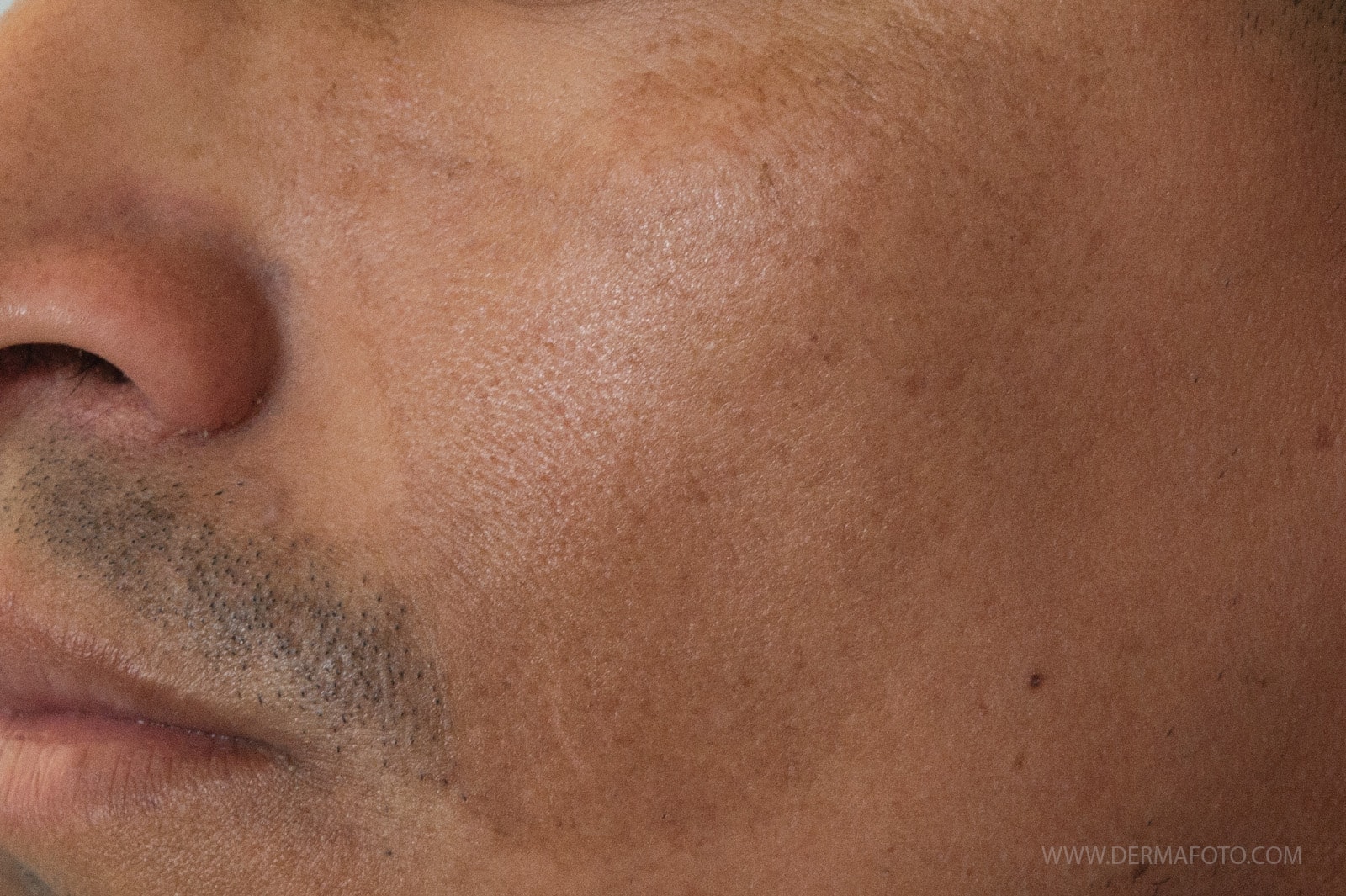
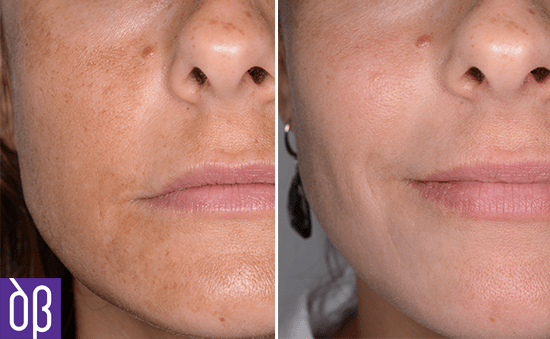
It is an alteration of skin pigmentation that manifests itself as a brown macula (spot), with well-defined geographical borders and that sits in areas exposed to sunlight, mainly on the face: frontal area, cheeks and supralabial area.
Why does it appear?
The exact cause of its appearance is unknown, although a fundamental role of sex hormones is suspected, since 90% of people with melasma are girls of reproductive age and a history of pregnancy, taking contraceptives or carrying out previous hormonal therapies are frequent.
There is also an ethnic predisposition, since most patients with it are of Asian or Hispanic origin and it is exceptional for it to appear in light skin (phototypes lower than III). Likewise, ultraviolet radiation and sun exposure also play a fundamental role in its origin: with exposure this alteration in pigmentation clearly worsens and vice versa.
Whatever its origin, the final product is a deposit of pigment (melanin) in the superficial and middle layers of the skin (epidermis and dermis), within cells called macrophages. Likewise, the normal pigment deposits of melanocytes, the melanosomes, are enlarged.
What types are there?
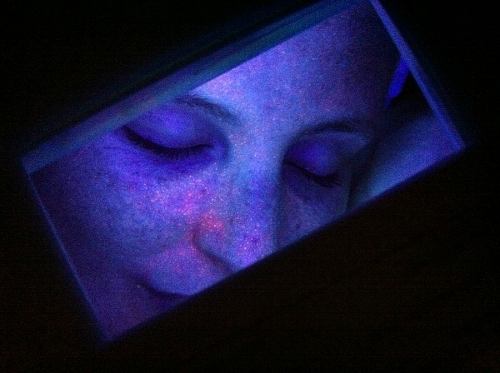
It is mainly classified into three categories, depending on the depth of the pigment: superficial, deep or mixed. To find out which type each patient suffers from, it is enough for the dermatologist to illuminate the area with a Wood’s lamp, which allows the epidermal melanin to be highlighted. Superficial melasmas have a better therapeutic response, so the exploration with Wood’s light is essential on the first visit.
How is it treated?
The most important measure and essential condition for it not to worsen is strict protection against sun exposure. Direct sun exposure should be avoided and it is necessary to use physical barriers (hat, sunglasses, umbrella) and chemical barriers (sunscreens with a minimum factor of 50). Likewise, artificial sources of UVA are not recommended. Without sun protection it is impossible for it to improve. Currently there are sunscreens that also add some antioxidant or depigmenting molecules, such as vitamin C or vitamin A derivatives.
The second therapeutic step is the use of topical depigmenting treatments. These include hydroquinone, azelaic acid, kojic acid and arbutin. In general, these active ingredients are usually mixed with other molecules that perform a gentle peeling (tretinoin, glycolic acid) and have an anti-inflammatory effect (prednicarbate, triamcinolone acetonide), in the so-called triple treatment formulas.
The following steps are more variable and must be personalized for each patient, since the response to them depends on the type of melasma and skin. Sometimes, the rest of the therapeutic options have a certain risk of worsening due to causing residual hyperpigmentation, so extreme caution must be exercised.
Glycolic acid chemical peels may be useful, which should be performed carefully and always in combination with depigmenting preparations to reduce the risk of residual hyperpigmentation. Other peels such as salicylic acid, lactic acid or Jessner’s solution have not shown any efficacy in their treatment. A therapeutic option with favorable results is the periodic practice of tretinoin masks in the dermatologist’s office, which have excellent tolerance and positive results.
Finally, there is the field of treatment with light and laser devices, which we will discuss below.
How is laser treatment performed?
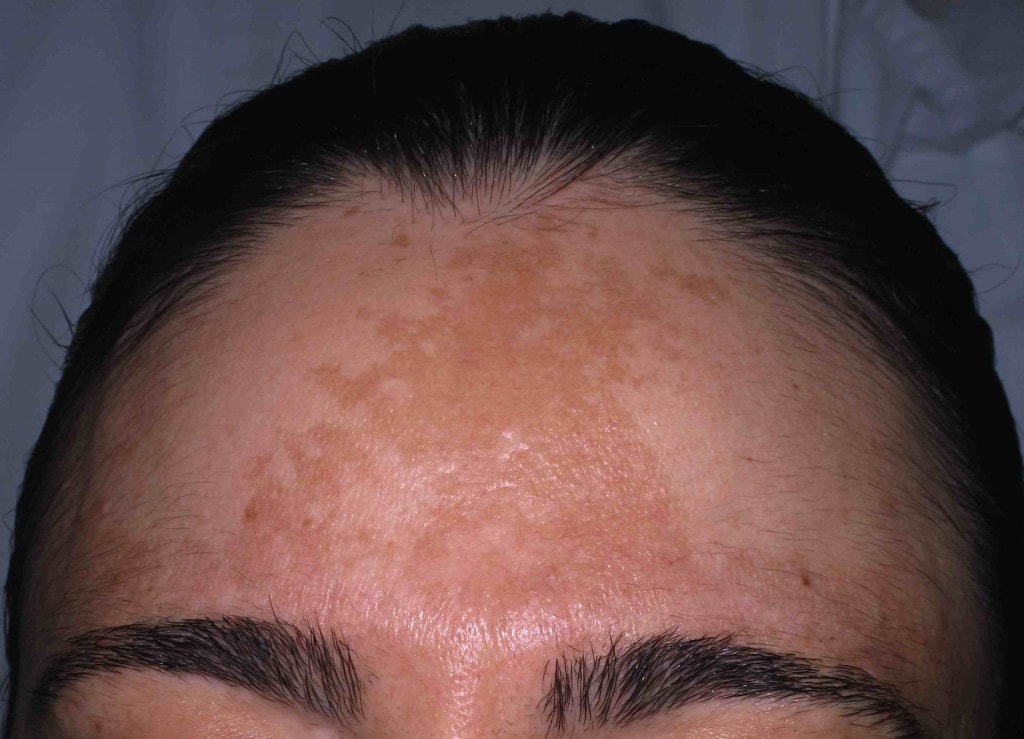
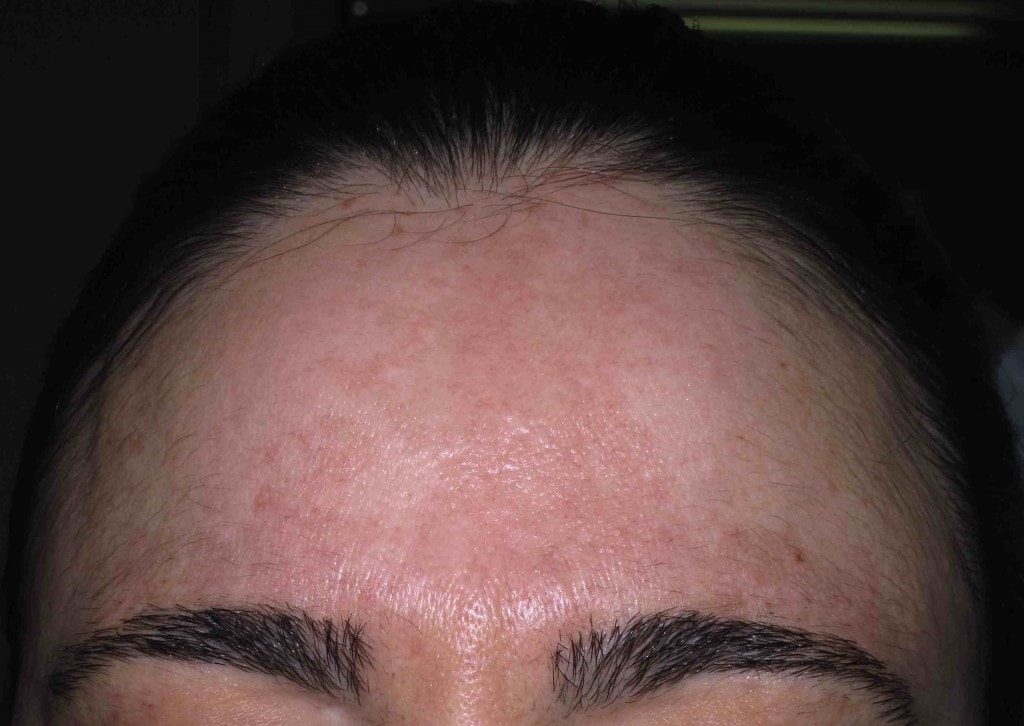
There are numerous light devices that have been applied to treat it. In reference to these, it is necessary to be cautious with their use, since some of them have shown a tendency to worsen residual hyperpigmentation lesions after the induced inflammatory process. Thus, the devices that have shown efficacy in the treatment of melasma are pulsed light of deeper wavelength and the fractional non-ablative erbium laser. Although they are not definitive treatments, they do achieve, in combination with other therapies, significant rates of improvement with excellent tolerance in patients.
The non-ablative fractional laser is especially useful since with very gentle and spaced sessions they allow greater control of hyperpigmentation with a very high safety profile.

What is the maintenance treatment?
Photoprotection against solar radiation is essential. It is also possible to use mild topical treatments through the frequent use of combined preparations of vitamin C, depigmenting agents and substances that perform a gentle peeling. Periodically, it is beneficial to practice tretinoin masks in the consultation room and/or sporadic sessions of non-ablative fractional laser.
FREQUENTLY ASKED QUESTIONS
Is it completely eliminated with treatment?
Unfortunately, no. It is possible to achieve very significant improvements with a practically complete blurring of the spot, but the tendency to reappear continues for years. This forces you to use sun protection strictly and to carry out some sporadic aesthetic treatment with masks or lasers in the dermatologist’s office.
If I do, will I never be able to sunbathe again?
You have to be aware that the main external factor that worsens it is artificial and natural ultraviolet radiation. For this reason, sun exposure is not recommended. However, it is possible to enjoy the Sun responsibly: using physical and chemical protection.
Does it appear as a sign of any disease?
The vast majority of the time, no. Very occasionally it can be a sign of an underlying hormonal disorder. Your dermatologist will ask you the appropriate questions and will request, if necessary, an additional study to do the screening.
Is he at risk of becoming bad?
No. It has no risk of transformation into skin cancer and is only an aesthetic disorder (although with psychological consequences that can be significant).
Is laser the best treatment for this pathology?
No. The laser is one more therapeutic option in the arsenal to deal with it. However, the non-ablative fractional laser is especially useful because it usually requires very few sessions to cause improvement, with a very high safety profile.
Can I get my skin cleansed if I have it?
You have to be very cautious in this regard. If you want to have a cosmetic procedure, it is recommended that you have it performed by a dermatologist, as he or she is the professional who best knows the skin and the contraindications of aesthetic procedures in the case of this skin pathology. This is especially true in the case of peels and lasers.
REFERENCES
· Debabrata B. Topical treatment of melasma. Indian J Dermatol. 2009 Oct-Dec; 54(4): 303–309.
· Sarkar R, Chugh S, Garg VK. Newer and upcoming therapies for melasma. Indian J Dermatol Venereol Leprol 2012;78:417-28.