
What is Nd:YAG Short Pulse Laser?
It is a neodymium laser with a wavelength of 1,064 nm that selectively impacts the deep blood vessels of the dermis, heating it to stimulate the formation of new collagen. The essential feature of this device is that the duration of the laser pulse is 0.3 ms (shorter than most neodymium vascular lasers), making it extraordinarily safe and comfortable for the patient to use.
What are the indications for short pulse neodymium laser?
Mainly the treatment of skin aging: it performs a non-ablative photorejuvenation (it does not form scabs or wounds), the advantage of which is that it does not require any type of subsequent recovery period. It only causes a slight redness lasting minutes. Likewise, the short-pulse neodymium laser is one of the few effective devices to treat flushing, associated or not with rosacea.
Thus, it is useful for:
· Reduction of fine wrinkles
· Improved facial skin texture
· Decrease in benign pigmentation (melasma, residual hyperpigmentation)
· Reduction of pore size
· Decreased flushing
· Treatment of red surgical or traumatic scars
· Treatment of burn scars
· Treatment of Keratosis Pilaris and Facial Follicular Erythromelanosis
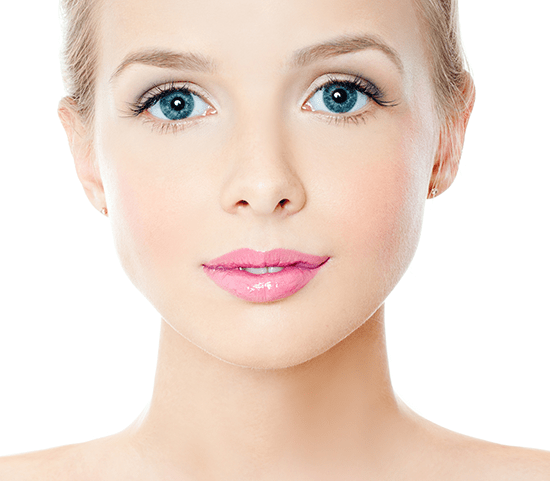
To what extent does the short-pulse neodymium laser improve skin aging parameters?
In the study by Tanaka et al., in which 50 volunteers participated, pore size, skin texture , and the presence of fine wrinkles were evaluated before and after treatment with three sessions – separated by one month – of short-pulse neodymium laser. The evaluation was made using digitized photography with polarized light; satisfaction questionnaire and skin biopsy.
After the three treatment sessions, all digitally assessed parameters improved between two and four percentiles. Regarding the improvement in pore dilation, skin texture and fine wrinkles, 96%, 100% and 98% of patients were satisfied or very satisfied, respectively. For the same parameters, and with a score scale from 0 (not at all satisfied) to 4 (very satisfied), the average score issued by patients was 2.64, 2.92 and 2.56, respectively. In the analysis of the biopsies of the treated skin, an increase in the presence of elastin and a thickening of the epidermis, the most superficial layer of the skin, was found. Likewise, no adverse effects were observed in any of the treatment sessions.
In the study by Koh et al., after five treatments with the same device, there were significant improvements in dyschromia (reddish and brownish coloration), fine wrinkles, texture, pore size , and skin elasticity in all participating patients. No notable adverse effects were also observed.
What are the advantages of short-pulse neodymium laser as photorejuvenation?
It is a painless procedure. You only experience a sensation of heat, which decreases in seconds after the end of the session. There is no recovery period: no scabs, swelling or intense redness form.
It is an ideal treatment for people who want to improve the texture and coloration of the skin, reduce pore size and/or flushing without having to undergo more aggressive treatments that require a period of loss. Treatment with short pulse neodymium laser has a risk of adverse effects close to zero.
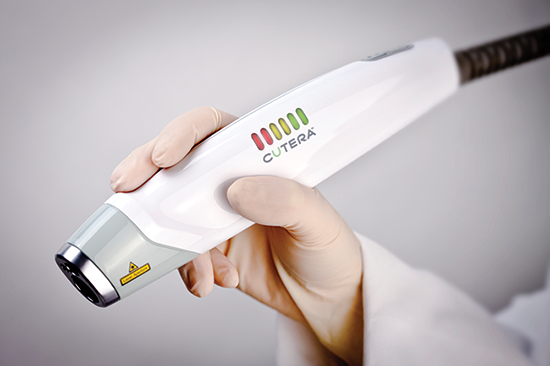
What are the drawbacks of short-pulse neodymium laser resurfacing?
It is a very specific device with a unique technology, it is common for few medical centers to have it and it must be performed in reference hospitals.
REFERENCES
· Tanaka Y, Matsuo K, Yuzuriha S. Objective assessment of skin rejuvenation using near-infrared 1064-nm neodymium: YAG laser in Asians. Clin Cosmet Investigaig Dermatol. 2011;4:123-30.
· Koh BK, Lee CK, Chae K. Photorejuvenation with submillisecond neodymium-doped yttrium aluminum garnet (1,064 nm) laser: a 24-week follow-up. Dermatol Surg. 2010 Mar; 36(3):355-62.