
Safety of aesthetic procedures
Are cosmetic procedures performed very frequently?
Yes. According to statistics from the American Society of Aesthetic Plastic Surgery, in 2005 11.5 million surgical and non-surgical aesthetic procedures were performed in the United States. Non-surgical procedures accounted for 81% of the total number of procedures performed, and only 19% were surgical. Since 1997, the practice of aesthetic treatments has increased by 444% in total, and non-surgical treatments have increased by 726%.
Who undergoes cosmetic procedures?
According to the same study, 91.4% of patients are women. Most of them (47%) are between 35 and 50 years old. Between 51 and 64 years old they account for 24%; between 19 and 34 years old 24% and over 65 years old 5%. Therefore, we observe that, although conceptually we may think that aesthetic treatments are aimed at combating skin aging already present, in reality it seems that it is used more for its prevention and for the maintenance of the signs of young age.
Why has there been such a significant boom?
There are several reasons that combine: greater longevity of the population; the establishment of a culture of well-being and health; the increase in the appreciation of the aesthetic appearance of the person; an increase in the number of different and non-aggressive aesthetic treatments; a greater supply of professionals (medical or not) and therefore a decrease in prices… All these factors have led to an increase in the demand for aesthetic procedures in recent years.
What are the most commonly performed non-surgical aesthetic procedures?
Following the same study from 2005, the top five aesthetic treatments were this:
- Botulinum toxin injection (3,294,782 treatments)
- Laser hair removal (1,566,909)
- Hyaluronic acid filler (1,194,222)
- Microdermabrasion (1,023,931)
- Chemical Peel (556.172)
It is surprising to see in this statistic that the injection of botulinum toxin is the aesthetic treatment par excellence, above laser hair removal and doubling its frequency, despite the unfortunate bad reputation it has in our country.
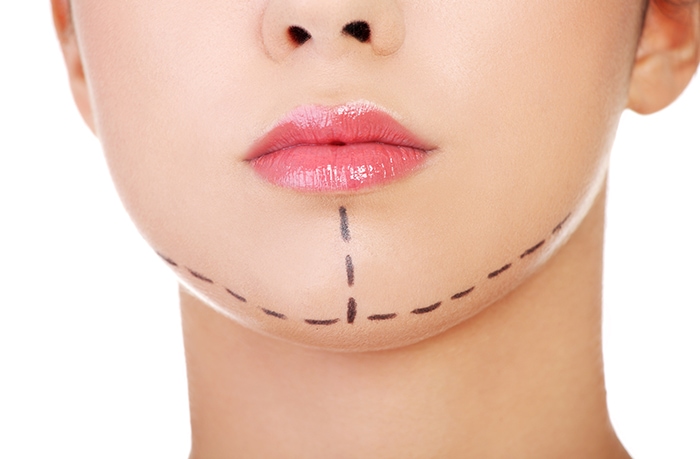
Which professionals typically perform cosmetic procedures?
Due to the exponential increase in the demand for aesthetic treatments by the population, a large percentage of people dedicated to the world of health and beauty offer this type of service. We can divide professionals who perform aesthetic practices into two large groups: doctors and non-doctors. Within the group of medical professionals there are numerous specialists who carry out practices of this type: licensed doctors without a specialty via MIR, family medicine doctors, ophthalmologists, otolaryngologists, dermatologists and plastic surgeons, mainly. Outside the group of medical professionals , this type of service is offered in other areas of wellness: beauty centers, beauty salons, hairdressers, spas…
What consequences can the high demand for aesthetic procedures have for the patient?
According to Goh’s review in the Journal of Cutaneous and Aesthetic Surgery, there are two main options: that this type of practice is performed by unqualified personnel and/or in inappropriate conditions (increasing the risk of adverse effects) and through procedures without scientifically confirmed efficacy (therefore, undergoing potential adverse effects without obtaining a positive response). Together, this can lead to the patient feeling confused as to which procedures are appropriate and also which professional is the most appropriate to advise or offer the procedure.
What differences can there be in the outcome of non-surgical aesthetic procedures applied by (non-medical) beauty professionals or medical professionals?
According to Brody et al. in their review in Dermatologic Surgery, there has been an alarming increase in consultations with dermatologists to try to correct or treat complications derived from inappropriate aesthetic practices performed by unqualified professionals. In the aforementioned study, it was observed that the number of complications and adverse effects as a result of aesthetic treatments is higher when they are performed by non-medical personnel, directly proportional to the aggressiveness of the procedure and inversely proportional to the degree of training of the professional who performs them.
What are the non-surgical aesthetic procedures performed by non-medical professionals that associate the most complications?
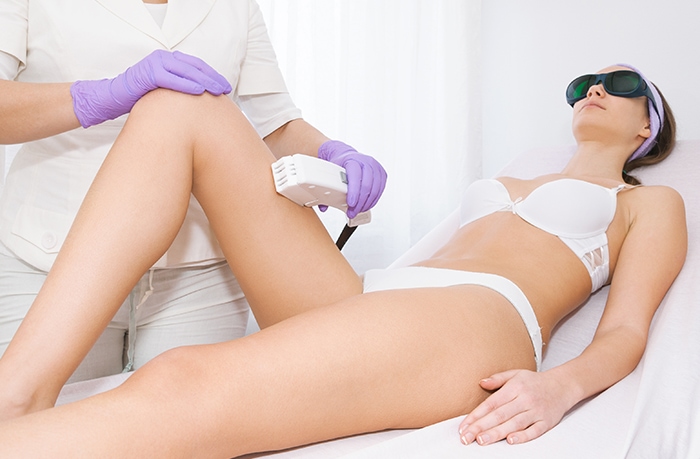
According to 2003 data from the American Society of Surgical Dermatology, the highest number of complications and adverse effects were the result of the inappropriate use of laser or pulsed light systems for hair removal (second and third degree burns, hyperpigmentation, infection, persistent sensory/motor neurological damage or scarring).
Other types of procedures performed by non-medical personnel and that were also associated with complications were: vascular sclerotherapy, botulinum toxin injection, microdermabrasion, peelings and finally inadequate treatment of skin cancer and acne, misdiagnosis of eczema, actinic keratoses and fungal infections, among others.
According to the study by Jalian et al., of the total adverse effects after an aesthetic treatment performed with laser, from 1999 to 2008 43% corresponded to services offered by non-medical professionals; and from 2008 to 2011 they corresponded to up to 78% to non-medical operators.
Which professional should perform non-surgical aesthetic procedures?
Beyond the trust and connection that may be felt with a professional, it is recommended that the patient value the training of the same and the ability that the doctor may have to handle an unfavorable eventuality or an unwanted adverse effect.
The performance of a large part of aesthetic treatments requires theoretical training of knowledge plus a practical skill acquired with experience. In itself, the execution of many aesthetic procedures can be carried out using relatively simple action algorithms and within the reach of skilled professionals. However, the management of potential complications is the situation that defines the safety of the process and, therefore, the quality of the procedure and the professional.
In conclusion, the minimum requirement of the professional who performs aesthetic treatments is that he or she has a medical academic background (a degree in Medicine) and, ideally, a solid medical and/or surgical specialty that allows him or her to manage eventual adverse effects.
Which medical specialties have specific training on surgical aesthetic procedures?
It is necessary to distinguish between those procedures that are surgical (mammoplasty, abdominoplasty, rhinoplasty, blepharoplasty, otoplasty…) and are performed in an operating room, and those that are not (botulinum toxin injection, hyaluronic acid fillers, use of laser…).
For surgical aesthetic treatments, specific academic training is necessary in them, which is present in the training program of the specialty of Plastic and Reconstructive Surgery (you can consult it here). However, other specific specialties, such as Otorhinolaryngology (click here), may also have specific training on aesthetic treatments in the area they treat (e.g., rhinoplasty).
Professionals in these specialties are the most suitable to perform surgical procedures, as they are perfectly familiar with the procedure to be performed and the management of its potential complications.
Which medical specialty has specific training in Spain for the performance of non-surgical aesthetic procedures?
Curiously, this section is not specific to any medical, surgical or medical-surgical specialty . There is no training block on non-surgical aesthetic treatments in any programme of the different medical or surgical specialities. It is precisely for this reason that what must be assessed is not only which professional should have training to perform the procedures but especially which one can diagnose and treat possible unwanted effects.
Which medical specialties have training for the diagnosis and treatment of complications of non-surgical aesthetic procedures?
Non-surgical aesthetic treatments (botulinum toxin injection, hyaluronic acid fillers or use of laser) are performed on the skin: the benefits and possible adverse effects will take place in this organ. The medical specialty he studies and on which he has specific training in the normal functioning of the skin and its diseases is Dermatology (you can consult his training program here ).
Dermatology is a speciality that includes a clinical aspect (diagnosis and treatment of skin diseases of infectious, inflammatory and tumour origin), anatomical-pathological training (diagnosis of skin diseases by means of skin biopsies observed under a microscope) and surgical training ( mainly aimed at the treatment of skin cancer and with the possibility of performing Mohs micrographic surgery).
Because the complications of non-surgical aesthetic procedures are mainly infections, erosions, ulcers, burns, foreign body granulomas and/or pigmentation disorders, the specialist who can best diagnose and treat them is the dermatologist. In addition, there is a large percentage of aesthetic treatments aimed at eliminating skin lesions (moles, telangiectasias, ruby spots, warts) by laser or surgery: only the dermatologist has specific training (clinical and dermoscopic) for the diagnosis of these lesions, so he or she is the right professional if you want to remove any lesions that are located on the skin.
Finally, non-surgical procedures are also usually supported by the application of topical preparations to maintain or improve the results. The specialist in Dermatology has received specific training for the masterful formulation of topical preparations and for the knowledge of the most effective active ingredients in this regard (retinoids and alpha-hydroxy acids).
Together, all these aspects make the dermatology specialist the one who can most completely handle (diagnosis and treatment) the complications derived from non-surgical aesthetic procedures.
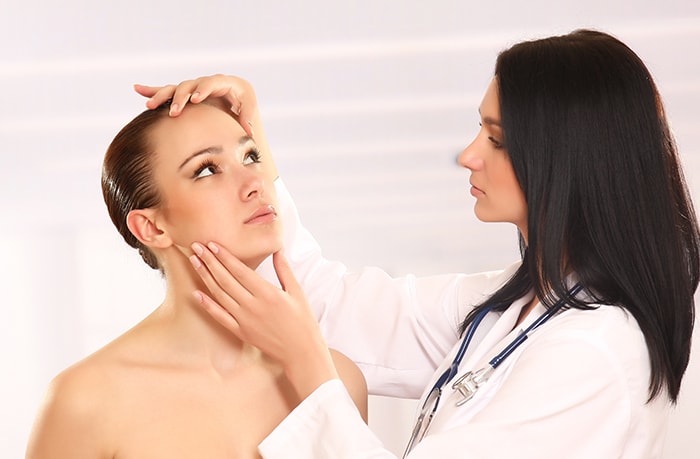
So, if a non-surgical aesthetic procedure is performed by a specific specialist (e.g., a dermatologist), is it risk-free?
No. Although the complication rate of non-surgical aesthetic procedures is minimal (e.g., in hyaluronic acid fillers it is 0.06%), these may occasionally occur even if it is performed by a specialist of the highest training ( less frequently, of course). However, it is true that the diagnosis and treatment of these eventualities is more accurate, early and effective when the aesthetic treatment is carried out by a specialist (plastic surgeon in surgical procedures and dermatologist in non-surgical procedures).
CONCLUSION
In summary, within non-surgical aesthetic procedures, the main criterion to be assessed is the safety of the same and the ability of the medical professional to respond to a possible unwanted adverse effect, which must be supported by a diagnostic skill (clinical, dermoscopic or histological) and a therapeutic manoeuvre (topical, medical or surgical). In this sense, Dermatology is the medical speciality that covers more aspects than those mentioned.
For surgical aesthetic treatments, the only medical specialty that includes this training in its program is Plastic and Reconstructive Surgery.
REFERENCES
· Goh, C. The need for evidence-based aesthetic dermatology practice. J Cutan Aesthet Surg. 2009 Jul; 2(2):65-71.
· Brody HJ, Geronemus RG, Farris PK. Beauty versus medicine: the nonphysician practice of dermatologic surgery. Dermatol Surg. 2003 Apr; 29(4):319-24.
· Jalian HR, Jalian CA, Avram MM. Increased risk of litigation associated with laser surgery by nonphysician operators. JAMA Dermatol. 2014 Apr; 150(4):407-11.
http://www.ncbi.nlm.nih.gov/pubmed/15171762