Platelet-Rich Plasma for Acne
What is platelet-rich plasma?
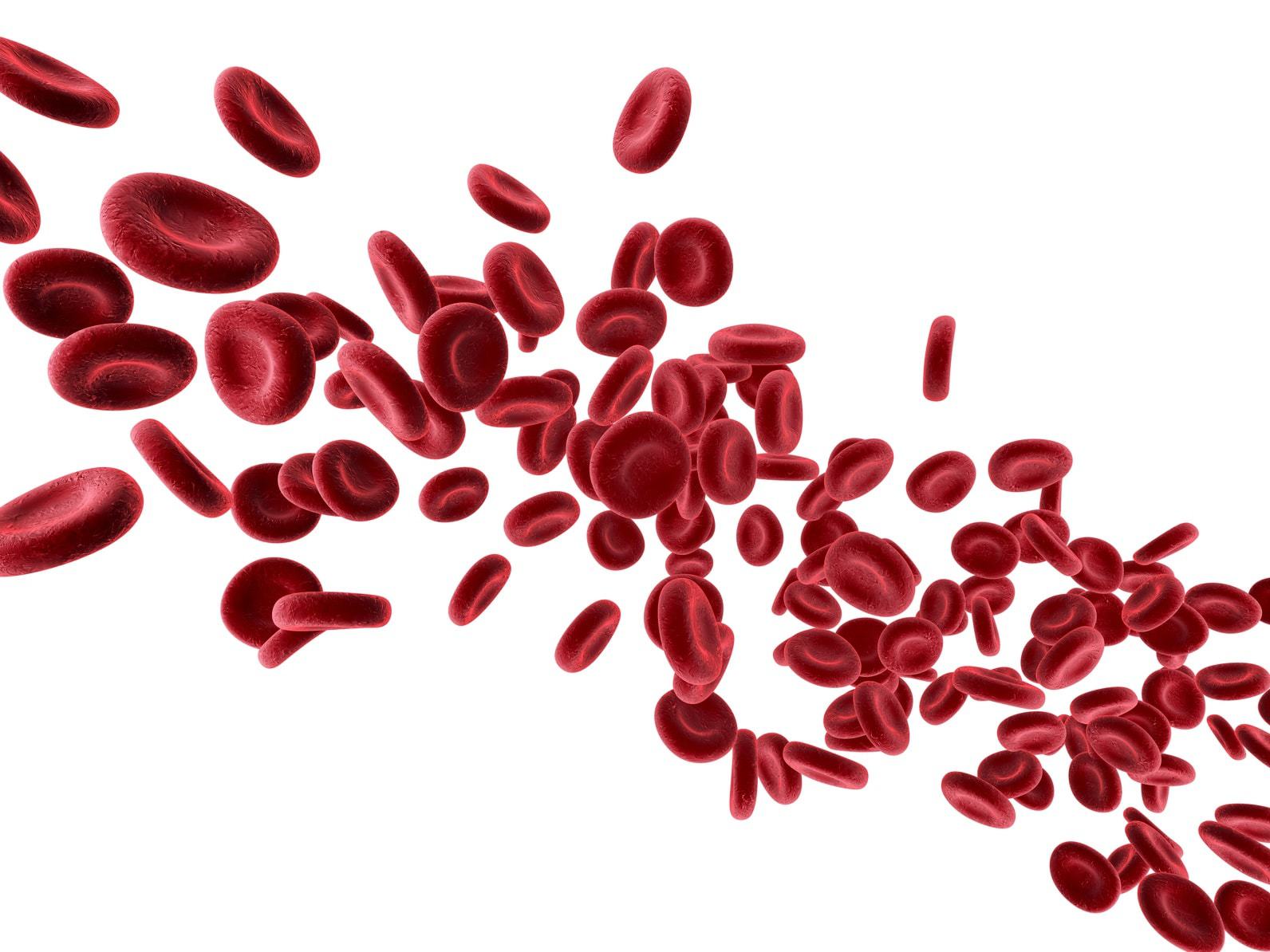
If we extract a patient’s blood and centrifuge it, we will see that sedimentation occurs, at different levels, of the cells and the rest of the substances transported by the bloodstream. One of these levels, the so-called platelet-rich plasma (PRP), contains a large number of growth factors. Growth factors are used in different fields of medicine due to their regenerative action on tissues and the acceleration of wound healing.
What is it used for?
It is a medical procedure used for years in traumatology, neurosurgery, otorhinolaryngology, urology, ophthalmology and dermatology. By centrifuging the blood, it is possible to select all the growth factors contained in the blood plasma and that carry out their natural action in our tissues. These molecules are then applied or injected into the affected tissues to enhance their natural regeneration.
What is this plasma used for in Dermatology?
Its initial use was restricted to skin ulcers that are difficult to heal, such as those secondary to circulatory disorders in the lower extremities. It has subsequently been applied in other fields, such as the healing of surgical wounds, androgenetic alopecia in women and men, in other types of hair loss, and as an aesthetic procedure to combat skin aging. In all these disorders, platelet-rich plasma provides the patient’s own substances that promote the regeneration of damaged tissues.
Why does it improve the regeneration of tissues where it is applied?
The application of platelet-rich plasma to wounds (whether surgical or not) and to tissues promotes healing and regeneration thanks to the contribution of growth factors and the stimulation of collagen synthesis. Among the molecules contained in platelet-rich plasma are: platelet-derived growth factor (PDGF), transforming growth factor (TGF), platelet interleukin, platelet-derived angiogenic factor (PDAF), vascular endothelial growth factor (VEGF), epidermal growth factor (EGF), insulin-like growth factor (IGF) and fibronectin. All these substances, among others, act as enhancers of the wound healing process and tissue regeneration.
What benefit does it have on acne scars?
Platelet-rich plasma promotes the synthesis of collagen, which is the most damaged molecule in any scar. In the case of atrophic acne scars, it encourages the dermis to increase its thickness and partially fill the loss of substance from depression.
Is it very effective in treating atrophic acne scars?
In isolation, no. Used as a single therapy, it produces a very discreet improvement, or moderate improvement in the best of cases. Platelet-rich plasma should be understood as one more therapy in the complex treatment of acne scars, and should be combined with other tools. The optimal combination and the one on which there is the most scientific evidence is with the fractional laser.
Is its combination with fractional laser superior to using fractional laser alone?
Yes. The studies, which have only been published studying the ablative fractional laser, show very promising results in combination with PRP. According to Zhu et al. in their trial with 22 patients, with only three sessions of erbium ablative fractional laser in combination with platelet-rich plasma, 91% of the patients observed improvements of more than 50% and also 91% of them were satisfied with the results obtained. The combination managed to improve the recovery of the skin damaged by the ablative laser without presenting any noticeable adverse effects .
In the study by Lee and colleagues, the benefit of platelet-rich plasma applied topically only on half of the face of 14 patients after a session of ablative fractional laser for the treatment of acne scars was compared. In the half of the face treated with PRP, a shorter duration of erythema and edema caused by the laser was observed (remember that we are talking about an ablative device). Regarding the effectiveness of the procedure at 4 months, an objective improvement of a decrease of 0.4 points on a 5-point scale was observed in the half treated with PRP and a single laser session.
In reference to these studies, two aspects should be highlighted. Firstly, they have been carried out with ablative fractional lasers, which cause greater damage to the skin and have a higher rate of adverse effects than non-ablative systems. And, secondly, it should be noted that platelet-rich plasma was applied topically and not injected intradermally as is usually done. In this sense, it should be remembered that injected PRP is more effective than topically applied.
What advantages does it offer compared to other aesthetic procedures such as fillers?
PRP is a natural substance that comes from the patient’s own blood, so it is impossible for a foreign body rejection reaction to occur as can occur with other materials such as fillers (this is currently exceptional). Likewise, the technique is simpler than in the case of fillers, since PRP is injected through micropunctures following a grid pattern, so the possibility of occlusion of a blood vessel does not exist. Likewise, the probability of injuring a nerve fiber or causing an infection is practically non-existent. In conclusion, although the chances of complications in the use of fillers is minimal, with PRP they are practically zero.
What are the drawbacks of treating acne scars?
The platelet-rich plasma procedure increases the cost of each treatment session with non-ablative fractional laser, although at the end of the process it is likely that the combination of PRP plus laser will require fewer total sessions than necessary only using the laser alone. For this reason, the final cost of the combined treatment of acne scars with PRP and non-ablative fractional laser compared to the combination with PRP is moderately higher. In most cases, however, it allows the duration of the therapy to be reduced and the final result to be improved, so the therapeutic combination usually has a favorable cost/benefit ratio.
Can all acne scars be treated with platelet-rich plasma?
No. There is no evidence that recommends treating other types of acne scars other than atrophic scars (the most common). Its use is not recommended in keloids or hypertrophic cictrices.
Is it the best treatment for acne scars?
No. And in isolation it does not obtain very noticeable results. If you want to use only one treatment method to improve scars, the one that offers the best results at an excellent cost/benefit ratio is the non-ablative fractional laser. However, PRP increases the final improvement rate of the non-ablative fractional laser and usually reduces the total duration of the treatment without presenting complications beyond the slight final increase in the cost of the therapy.

Click here to learn more about treating acne scars with hyaluronic acid.

Click here for more information on chemical peels in acne.

Click here to find out what types of acne scars are there.

Click here to learn more about acne scar treatment with ablative laser.
REFERENCES
· Zhu JT et al. The efficacy of aoutologous platelet-rich plasma combined with erbum fractional laser therapy for facial, acne, scars or acne. Mol Med Rep. 2013 Jul; 8(1): 233-7. · Lee JW et al. The efficacy of autologous platelet-rich plasma combined with ablative carbon dioxide fractional resurfacing for acne scars: a simultaneous split-face trial. Dermatol Surg. 2011 Jul; 37(7): 931-8.

