
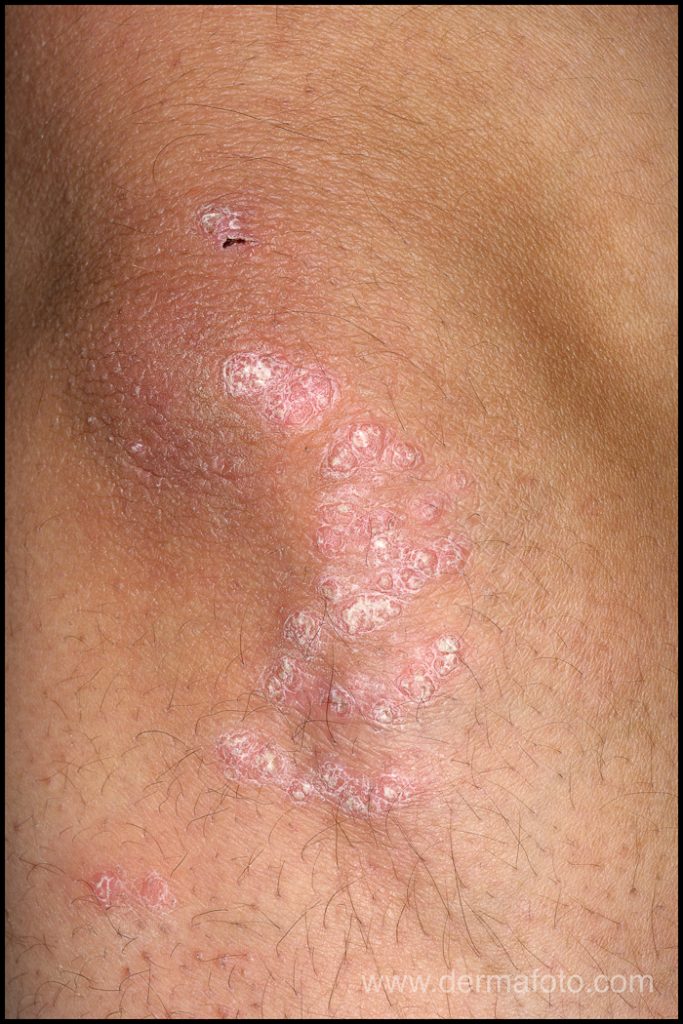
Psoriasis is one of the most common skin diseases, with a prevalence of 2-3% in the general population. Although it was classically considered an exclusively cutaneous disease, it is now known that the inflammatory phenomena that lead to the appearance of psoriasis plaques favor the manifestation of other systemic diseases (comorbidity).
It is for this reason that early diagnosis of psoriasis and routine monitoring of other accompanying diseases in the patient are increasingly considered important. The presence of this comorbidity often determines the treatment to be used for the management of this disease and the overall prognosis of the patient.
In October 2013, Yeung et al. published a study in which, for the first time, the prevalence of the diseases that accompany psoriasis is independently studied. Below is a summary of the most important conclusions that emerge from the aforementioned study.
ASSOCIATIONS OF PSORIASIS WITH OTHER DISEASES
· The higher the psoriasis severity index (measured in percentage of body area affected by psoriasis), the greater the likelihood of association with other comorbidities. Therefore, the severity of this disease and the prevalence of comorbidities are directly proportional.
· Psoriasis is associated with an increased prevalence of the following diseases (relative risk is indicated in parentheses):
– Chronic lung disease (RR 1.08)
– Diabetes (RR 1.22)
– Diabetes with systemic complications (RR 1.34)
– Myocardial infarction (RR 1.34)
– Peptic ulcer (RR 1.27)
– Peripheral vascular disease (RR 1.38)
– Kidney disease (RR 1.28)
– Mild liver disease (RR 1.41)
– Rheumatic disease (RR 2.04)
On the other hand, no higher incidence of cancer, metastatic neoplasms, stroke or congestive heart failure has been found in patients with psoriasis. It should be noted that in other previous studies a higher incidence of strokes was observed in subjects with this skin disease, so caution should be exercised at this specific point when assessing its possible association.
Among the liver diseases most frequently observed in patients with psoriasis are hepatic steatosis (fatty liver), chronic hepatitis, and enolic hepatitis (alcohol-related). No increased risk of cirrhosis or severe liver failure was observed. Kidney diseases that may be associated with psoriasis include microalbuminuria (loss of protein in the urine and marker of glomerulus dysfunction).
CONCLUSIONS
From the data indicated, the following conclusions can be drawn:
· At the visit of the patient with this skin disease, the existence of comorbidity will be asked so far and periodic screenings will be carried out for the detection and early diagnosis of accompanying diseases.
· It is essential that at the visits of patients with psoriasis, an objective measurement of its severity is carried out using a quantitative index such as the BSA (body surface area) or the PASI (psoriasis area severity index), to provide an idea of the probability of future comorbidity and the possibility of diagnosing it early.
· The comorbidity of the patient with this disease will determine the type of treatment to be used for the management of the skin disease.
· Psoriasis is not considered an exclusively cutaneous disease but as a systemic ailment that is a risk factor for suffering from other disorders of different etiology. For this reason, preventive medicine and early diagnosis of these disorders is of paramount importance in patients with psoriasis.
REFERENCES
· Yeung H, Takeshita J, Mehta NN, Kimmel SE, Ogdie A, Margolis DJ, Shin DB, Attor R, Troxel AB, Gelfand JM. Psoriasis severity and the prevalence of major medical comorbidity: a population-based study. JAMA Dermatol. 2013 Oct 1; 149(10):1173-9.
Click here for related information.