Treatment of Seborrheic Dermatitis

What is it?
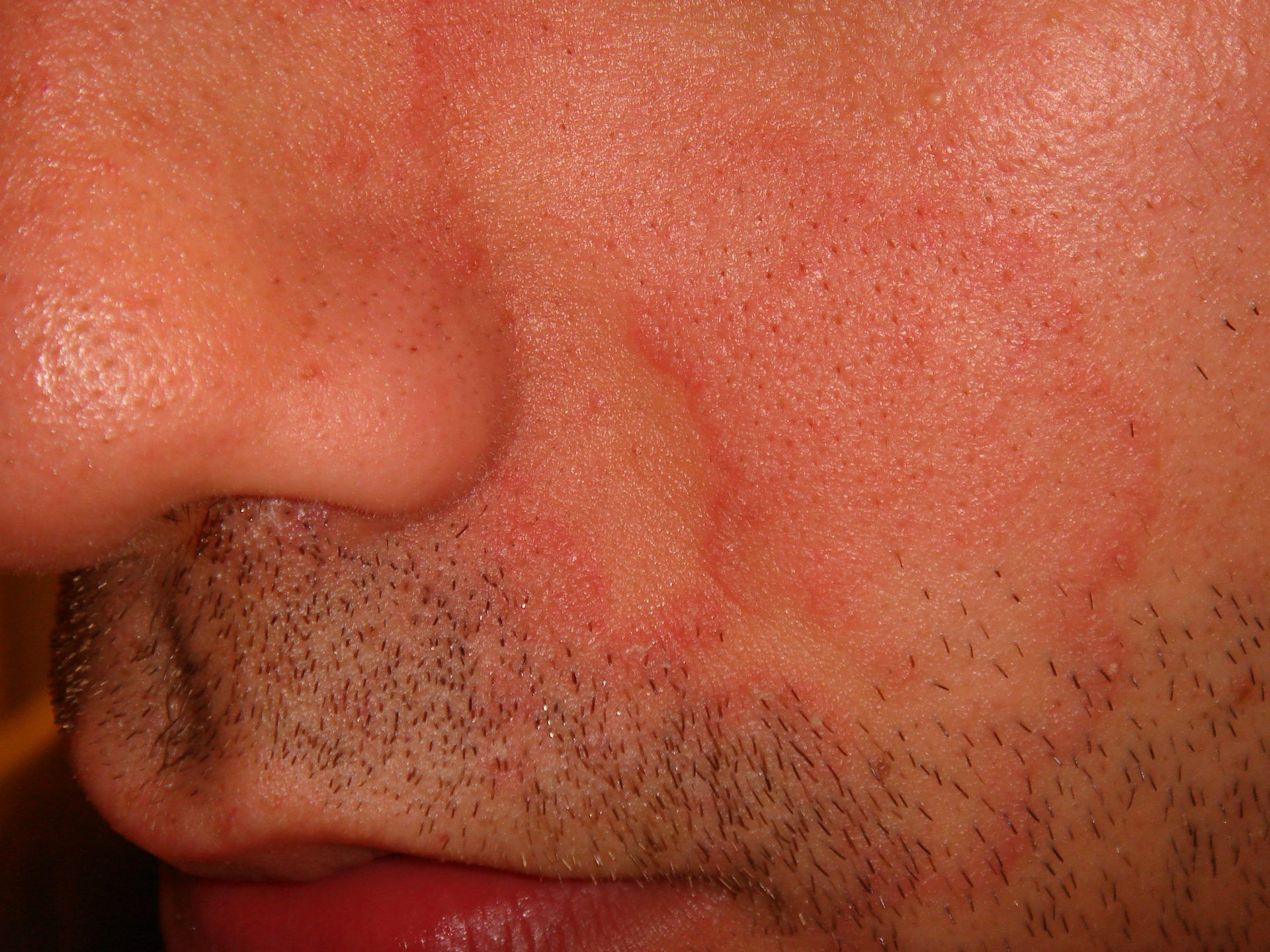
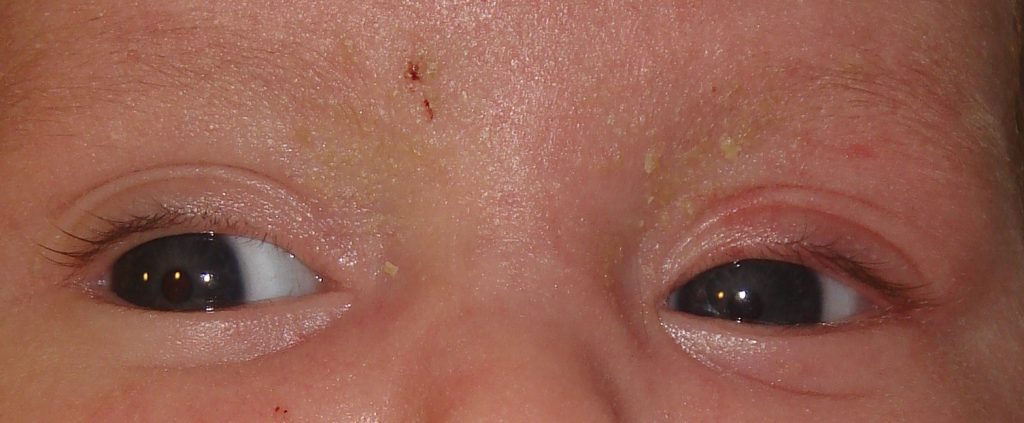
Seborrheic dermatitis is an inflammatory skin disorder that manifests itself as the tendency to erupt erythematous-yellowish, unctuous and scaly papules and/or plaques in the areas of the body with more sebum.
In which areas?
It is usually located in the “seborrheic” areas, which have a higher concentration of sebaceous glands (they excrete the natural sebum of the skin). These areas are the scalp, the external ear canal, the retroauricular region, the central area of the face, the thorax and the back. It is also possible that lesions may appear on the genitals and groin, since there is also a high concentration of glands there.
Is it very common?
Yes. It can affect up to 3% of the general population, and is more common in young men. It may appear in the newborn, with the highest incidence between birth and the first three months of life (up to 10% of babies may suffer from it).
How has it evolved?
Adult seborrheic dermatitis is considered a chronic disorder without definitive cure, although it usually occurs with asymptomatic periods and periods of lesion outbreak . On the other hand, neonatal seborrheic dermatitis is usually self-limiting.
Why does it appear?
The exact reason is unknown, although it is known that there is an overgrowth or an abnormal immune response to a fungus of the normal skin flora: Malassezia spp. This produces irritation of the skin surface, which manifests itself with seborrheic dermatitis lesions. It is also known that this disorder is related to excess skin sebum, the season of the year and periods of stress.
Is there a relationship between seborrheic dermatitis and diet?
No solid data has been found linking diet and seborrheic dermatitis, although alcohol consumption seems to worsen the course of lesions.
Is it related to stress?
Stress is not the cause of the disease, but like many skin disorders it worsens with psychological stress, and the patient usually reports the appearance or increase of lesions in complicated times.
What is its relationship with psoriasis?
The vast majority of the time they are clearly differentiated diseases, although sometimes it is not so easy to draw a line between them. For example, very intense seborrheic dermatitis of the scalp or face can look like psoriasis. This has led some dermatologists to devise the word “seborriasis”, to refer to these cases of overlap. However, they should be understood as different disorders and not mistakenly interpreted that one can evolve to the other or vice versa.
How is it treated?
Because its origin includes the overgrowth of a fungus, inflammation and excess sebum, treatments are aimed at attacking these factors.
First of all, it should be taken into account that seborrheic dermatitis is a chronic disorder that causes outbreaks and that, unfortunately, we do not have a definitive cure.
In general, we can use topical antifungal or anti-inflammatory preparations. Among the latter we have corticosteroids, which are excellent for controlling intense outbreaks, and calcineurin inhibitors (pimecrolimus, tacrolimus), which are less potent but with a safety profile more suitable for prolonged use. Corticosteroids are available in all possible presentations: cream, ointment, lotion, emulsion, foam, etc. Calcineurin inhibitors exclusively in cream (pimecrolimus) or ointment (tacrolimus).
Antifungal drugs can be used in the form of creams, lotions or soaps. The latter option allows for effective and comfortable maintenance treatment, reducing the number and intensity of flare-ups. These include clotrimazole, ketoconazole, cyclopyroxolamine or zinc pyrithione.
Finally, there are anti-proliferative and anti-inflammatory options, such as tar-derived shampoos, which are very useful for the control of severe seborrheic dermatitis of the scalp.
REFERENCES
· Sampaio AL, Mameri AC, Vargas TJ, Ramos-e-Silva M, Nunes AP, Carneiro SC. Seborrheic dermatitis. An Bras Dermatol. 2011 Nov-Dec; 86(6):1061-71.