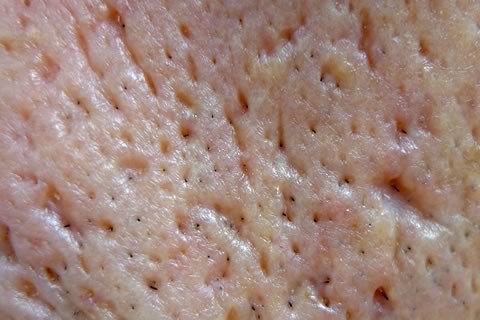
There are different types of scars as a result of acne. Broadly speaking, they are classified as atrophic (depressed) and hypertrophic or keloid (excessive). You can find detailed information about the types of acne marks and scars here.
What are acne scars in ice pick?
Among the atrophic scars, the so-called “ice pick” scars stand out. They are characterized by a deep punctate depression that is internally anchored by scar tissue (fibrosis) that pulls it deep. Although they are not the most frequent, the so-called “ice pick” scars are the most complex to treat and eliminate due to the existing attachment to the deep tissues.
How are ice pick acne scars treated?
Acne scars in ice pick should be treated by a dermatologist, since only the specialist knows when it is possible to treat these sequelae and the most appropriate methods for each patient. There are different therapeutic options, all of them with specific characteristics:
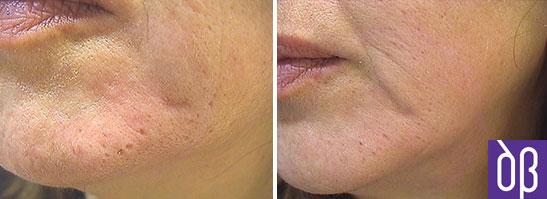
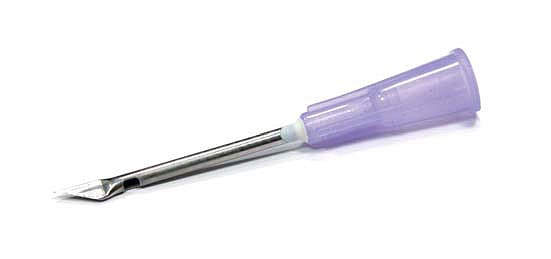
· Subcision. It consists of the section of sub-scar fibrosis by means of a needle with a bevel tip (called Nokor’s needle), which allows the fibrous anchor that fixes the scar to the deep tissues to be removed through a minimal incision. The needle is inserted under the scar and moved in a fan shape to cut the fibrous tracts. It consists of a quick procedure, which can be performed under local or topical anesthesia (cream) and with practically no adverse effects beyond local discomfort. It should be noted that it is useful in scarce scars, for widely affected areas other more appropriate techniques are used.


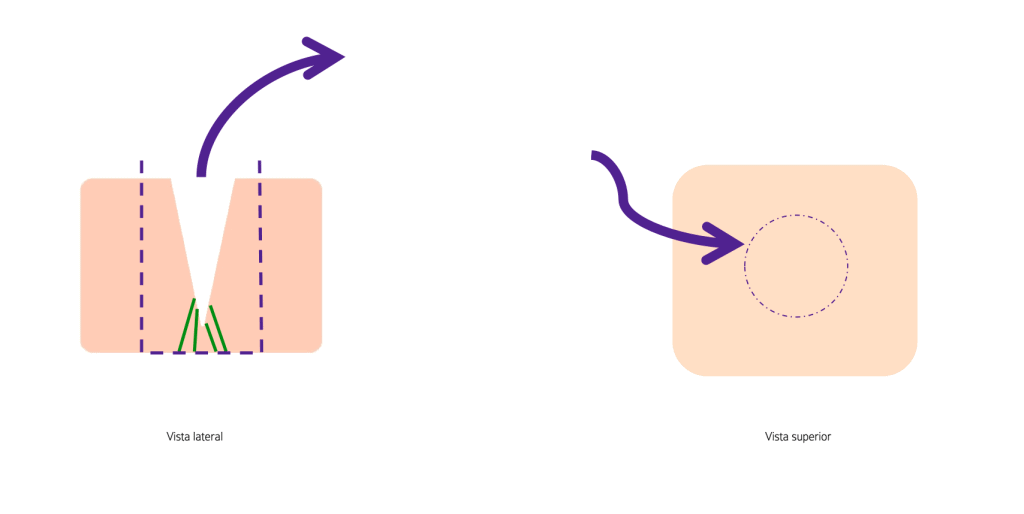
· Punch excision. Local anesthesia is applied to the ice-pick acne scar to be removed and this is surgically removed with a circular scalpel called a punch. The resulting defect is covered with a skin graft extracted from a donor area (typically the retroauricular area). This technique is rarely performed, as it is a small surgical intervention that causes an additional scar in the donor area.
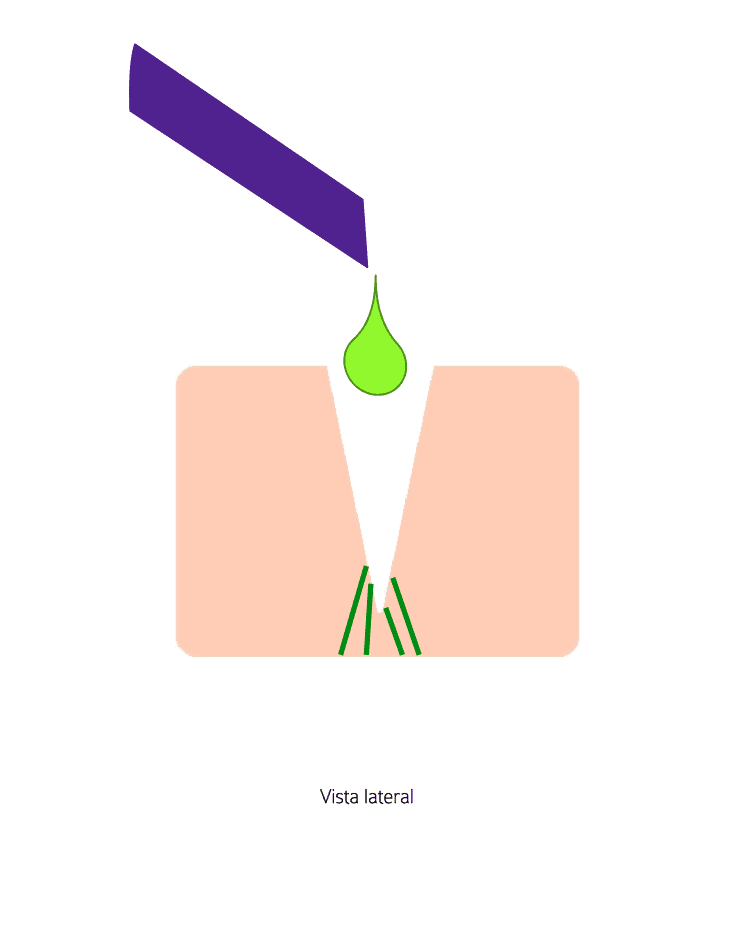
· CROSS (Chemical reconstruction of skin scars). In this case, a drop of trichloroacetic acid at a concentration of 35 – 100% is applied to the bottom of the depression. This acid coagulates the proteins and destroys the tissue with which it comes into contact. In this way, it eliminates the depression and produces a union of the walls of the defect. It is the most widely used technique to date, as it allows several lesions to be removed in a single session, and can be repeated as many times as necessary. It should be noted that the procedure is painful and forms scabs, erythema and swelling of the treated areas, so the patient has to be on social leave for 7 – 14 days.
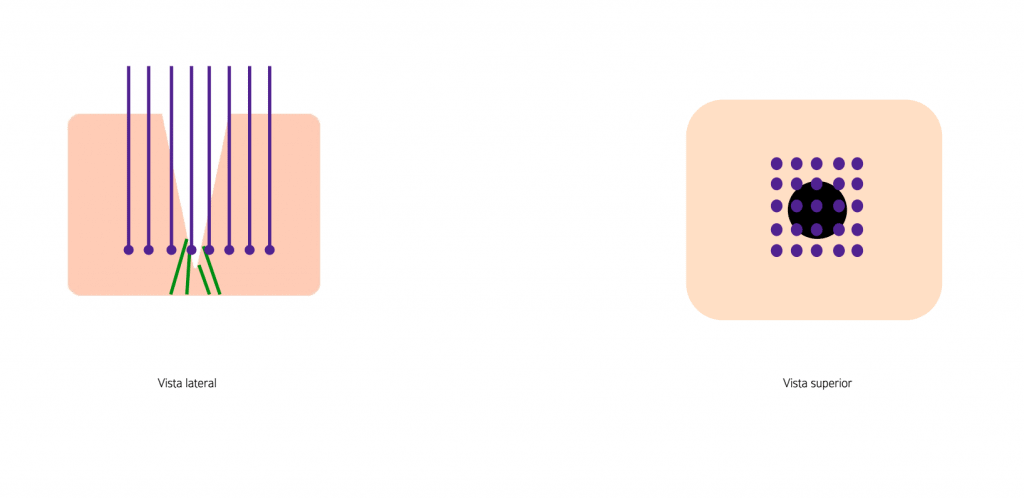
· Fractional lasers. Whether ablative or non-ablative, they produce improvement of all types of acne scars in ice pick to a certain degree, without eliminating them completely. Both types of devices emit columns of heat that destroy (ablative) or heat (non-ablative) the skin, which stimulates the breakdown of fibrosis and the formation of new collagen. Both require several sessions and the disappearance of the scars is not total. In the case of ablative systems, it should be taken into account that quadrangular fields of scabs, erythema and swelling will form that will last about 7 – 14 days, so the patient must be on social leave. Non-ablative systems do not have this drawback, and the patient can go about their usual rhythm of life. You can learn more about the non-ablative fractional laser here.
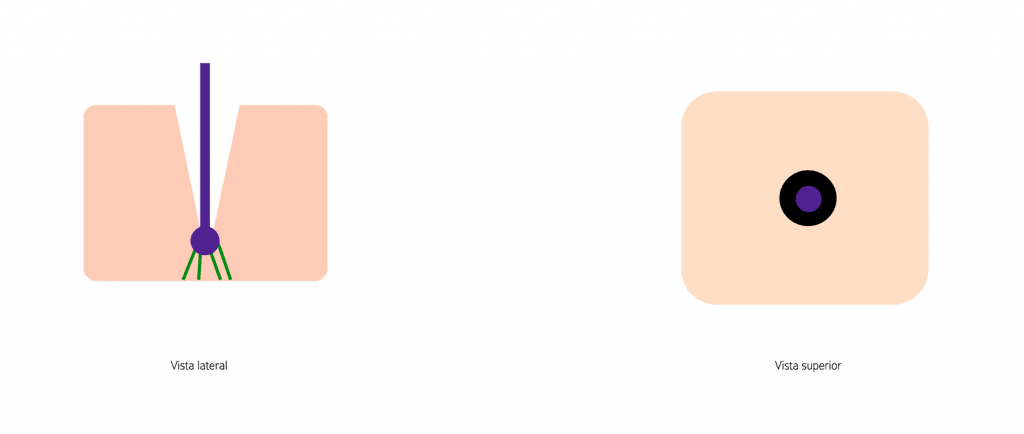
· PunctiformCO2 laser. This technique is the last described and the most innovative. It consists of shooting in the center of the depression with aCO2 laser in order to destroy the sub-scarring fibrous tracts and produce a union of the scar walls . For practical purposes, it consists of the CROSS technique but with a physical and not a chemical basis: in this way the erythema, edema and swelling as spectacular as in the first case do not occur. A millimetric crust appears on each ice-pick scar, which falls quickly in a few days. Other advantages are the possibility of performing the technique with anaesthetic cream (so it is usually painless), of combining it with subcision and also the speed of performance. Without a doubt, it offers all the advantages of the classic CROSS technique without any of its drawbacks. In comparative studies of the punctiformCO2 laser in combination with subcision, it has been observed that the effectiveness is practically the same combining both techniques as not doing it. Compared to CROSS, the pinpointCO2 laser offers a slightly higher final result in terms of effectiveness, a very low complication rate, and a higher patient satisfaction rate with the punctiformCO2 laser than with CROSS.
What is currently the optimal technique for the treatment of ice pick acne scars?
Although they are still treated with CROSS and/or fractional lasers, the most recent studies show that the effectiveness is greater and the complications are lower with the pinpointCO2 laser technique. Consult with your dermatologist to recommend the best option in your case, since each patient will respond better to one treatment or another depending on the depth, number and location of the acne scars in ice pick.
How many treatment sessions are necessary to remove or improve ice pick acne scars?
If they are few in number , it is possible that with a single session there will be an ostensible improvement that will be seen 6 – 8 weeks after practicing it. However, it is most common for ice pick scars to coexist with other atrophic scars (boxcar and/or rolling), so their treatment is included in a broader therapy combined with other techniques (e.g., non-ablative fractional laser) that has a total duration of about 6 months.
REFERENCES
· Mohammed G. Randomized clinical trial of CO2 laser pinpoint irradiation technique with/without needling for ice pick acne scars. J Cosmet Laser Ther. 2013 Jun; 15(3):177-82.
· Ahmed R, Mohammed G, Ismail N, Elakhras A. Randomized clinical trial of CO2 LASER pinpoint irradiation technique versus chemical reconstruction of skin scars (CROSS) in treating ice pick acne scars. J Cosmet Laser Ther. 2014 Jan; 16(1):8-13.

Click here to find out what types of acne scars are there.
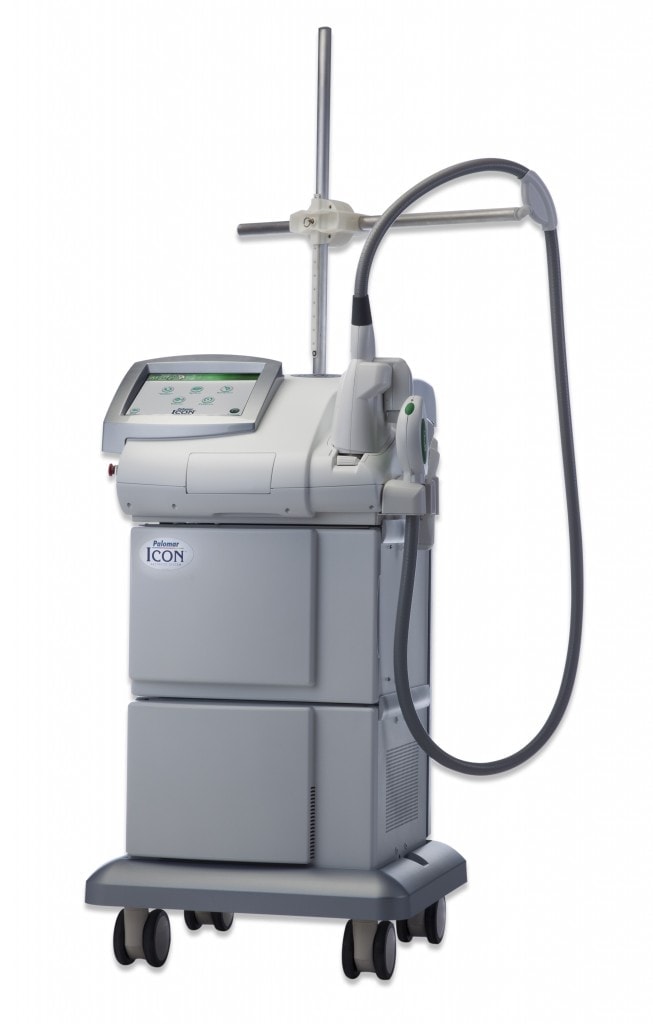
Click here to learn more about laser treatment of acne scars.